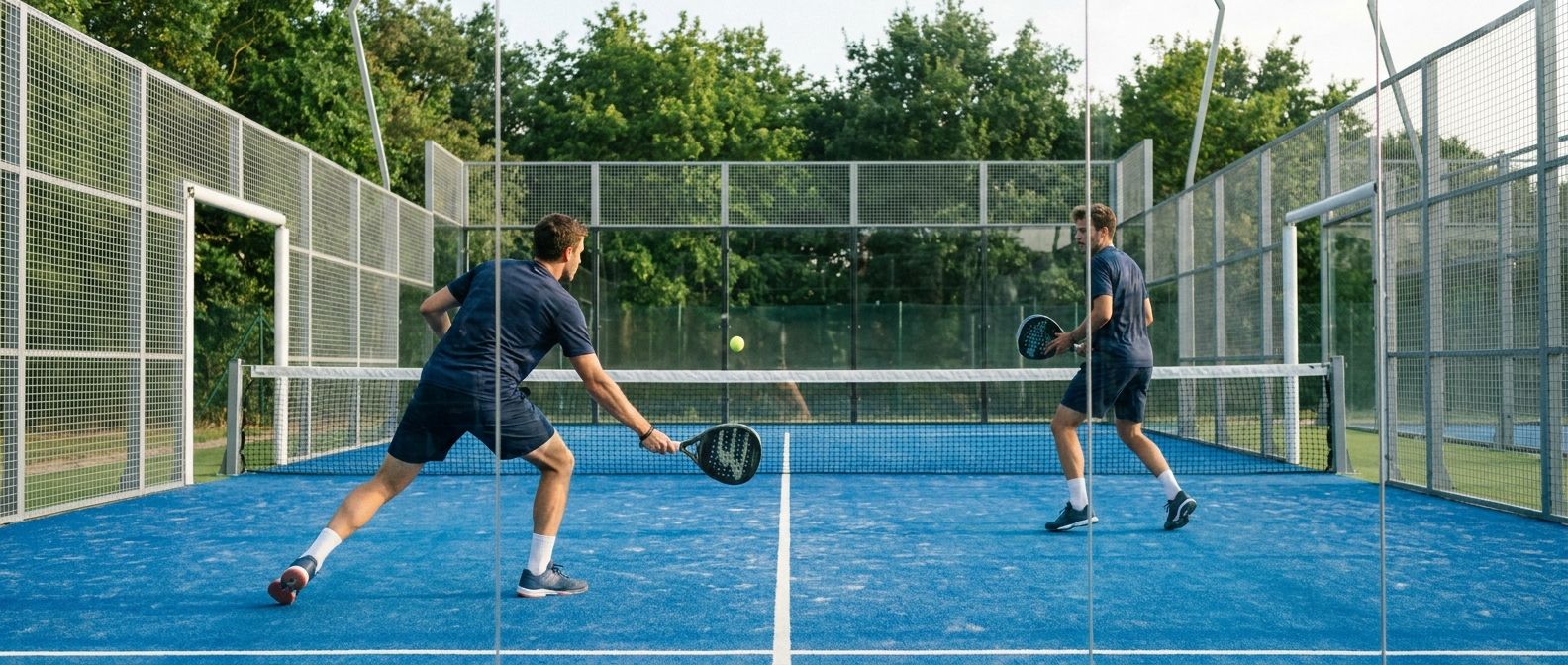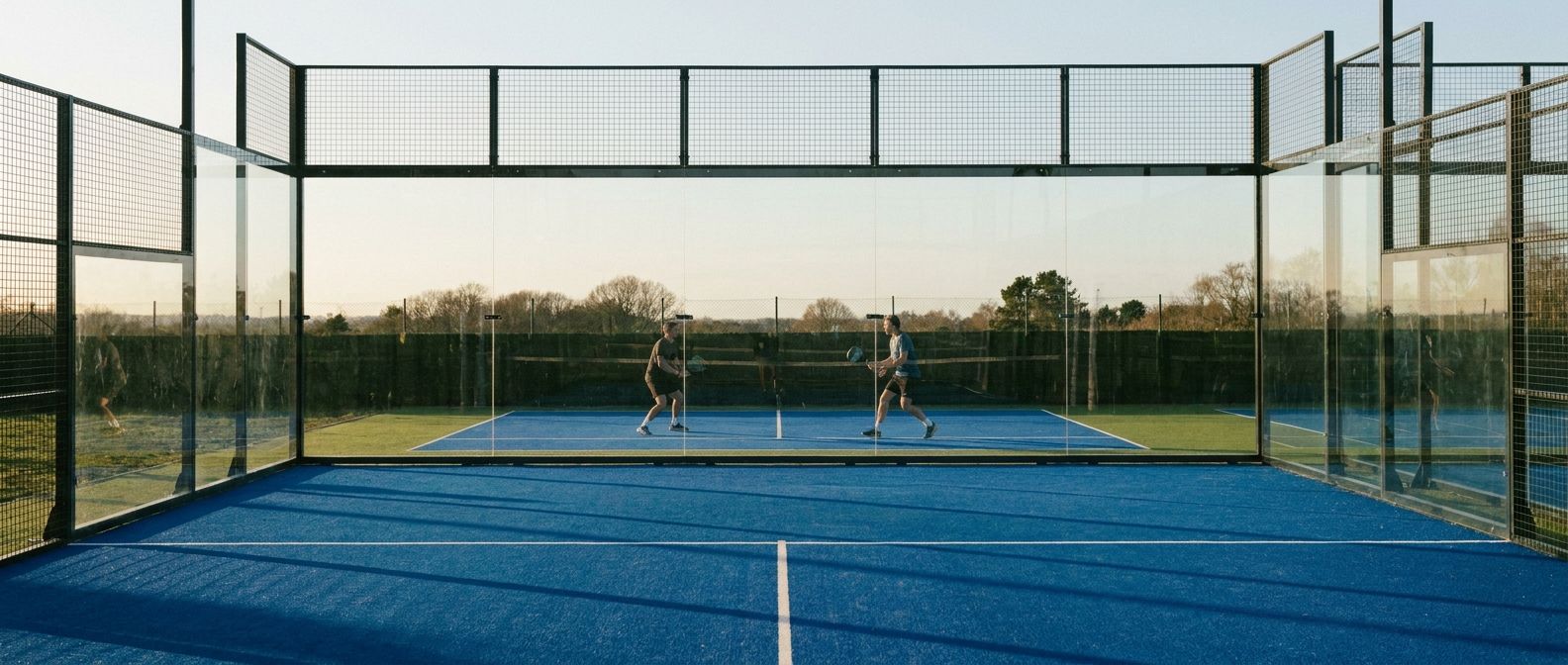
A padel court is a simple thing on paper: twenty metres by ten, four glass walls, a net across the middle. Yet the building around it decides whether an evening of padel feels crisp and bright or loud, cold and cramped. As the sport has spread across Europe, indoor halls have become a design problem as much as a sporting one, and the best of them borrow ideas from the architecture traditions that have dealt with dark winters for centuries.
This article looks at what makes an indoor sports hall work as a piece of design, and why the Nordic approach to light, timber and structure offers useful lessons for anyone planning, building or simply choosing a place to play.
Why the building matters more than the court
A padel court is compact, which is exactly why it fits into so many spaces: converted warehouses, old tennis halls, purpose-built sheds on the edge of town. But compact does not mean forgiving. Lobs travel high, and a ball that clips a low ceiling or a hanging light ends the point for reasons no player can control. The clear height above the court is the first number any designer checks, and it is usually the one that separates a serious venue from a makeshift one.
The second is the space around the court. Players need room to retreat behind the back glass, and spectators need somewhere to stand without leaning on the walls. Halls that squeeze courts together to fit one more booking end up with cramped edges, noisy neighbours and a worse experience at every table in the cafe. The boom-and-bust story we covered in Sweden's padel boom and bust, where growth outran what local demand could support, is a reminder that good buildings are built for lasting use rather than a quick rush.
Light: the hardest thing to get right
Lighting is where indoor halls succeed or fail. Glass walls reflect every fitting, and a ball moving at speed against a bright ceiling can vanish for a fraction of a second. Good halls use even, low-glare light from multiple angles, with fittings set outside the flight path of the ball. Some add daylight through high windows or roof lights, which softens the whole space and cuts energy costs during the day.
Daylight is a big deal in northern countries, where winter afternoons fade by three o'clock. Nordic designers have spent generations learning how to bring in weak, low-angle sun without glare. Clerestory windows, pale interior surfaces and carefully sized openings all help. A padel hall that treats natural light as a feature, rather than an afterthought, feels less like a shed and more like a place people want to spend a few hours.
Sound, air and comfort
Padel is a loud sport. Ball on glass, racket on ball and four players calling for shots all bounce around a hard-walled space. In a large open hall the noise blends into a steady hum, but in a small one it becomes tiring. Acoustic panels on the ceiling, timber slats and soft finishes above head height can bring the volume down without touching the courts themselves.
Air quality and temperature matter just as much. A hall that is too warm makes long matches exhausting, while one that is too cold leaves players stiff and slow in the first set. Good ventilation, steady humidity and a sensible heating plan are unglamorous, but they shape how a venue feels more than any paint colour. Players rarely praise them, and they always notice when they are missing.
Structure: big spans, honest materials
Because a padel court needs a clear, column-free ceiling, the roof structure carries most of the architectural weight. Steel portal frames are the cheap default. Glulam timber beams, long popular in Scandinavia, offer another route: they span wide distances, look warm and handle moisture well. A hall with exposed timber trusses feels closer to a chapel or a concert space than a warehouse, and it can lower the carbon footprint of the building.
Even small choices count. Racket choice affects how the game feels in the hand, as we explain in our guide to choosing a first racket, and the hall affects how the game feels in the eyes and ears. Both are part of the same experience.
What Nordic architecture can teach sports halls
Nordic design has a long habit of making practical buildings feel humane. Schools, libraries, churches and swimming halls across the region use timber, daylight and simple forms to create rooms where people are comfortable staying. The same thinking applies neatly to a padel venue: a modest building, well proportioned, with a warm interior and a clear relationship to its surroundings.
Three lessons stand out. First, let light in and control it, rather than fighting it with artificial fixtures alone. Second, choose materials that age well and feel good to touch, especially near entrances, changing rooms and the social areas where people gather between matches. Third, keep the plan simple, with obvious routes from the car park to the court and a place to sit that looks out over the play.
Read more about nordic architecture at tyintegnestue.no.
The social side of the hall
A padel hall is rarely just courts. It is a meeting place, and that is part of the appeal. Players arrive in groups of four, wait for the previous game to finish and stay for a drink afterwards. A good hall gives that waiting time somewhere pleasant to happen: a lounge with a view of the courts, benches near the glass and a cafe that does not feel like an afterthought.
This is also where the sport differs from tennis. Because the walls keep the ball in play and the courts are close together, spectators can watch several games at once, and beginners can see how the rallies work before they step on. If you are new to the game, our comparison of padel and paddle tennis explains how the court and rules set the sport apart, and it shows why the space around a court matters as much as the court itself.
What to look for when you book
You do not need an architecture degree to judge a hall. Look up when you walk in: is the ceiling high enough for a proper lob, and is the light even? Listen: does the noise feel manageable? Notice the temperature, the state of the glass and turf, and whether the entrance and changing rooms feel cared for. A hall that gets these things right usually gets the rest right too.
For players, the practical result is simple. A well-designed hall means fewer lost balls, fewer tired eyes and more evenings that end with a smile. For owners and builders, it means a venue that keeps its regulars, because people return to places that feel good to be in. Design is not decoration here. It is part of the game.