If you've searched padel vs paddle, you've probably landed on club websites, forums, and old listings that don't agree with each other. Here's the short version: paddle tennis isn't really the sport people are asking about. When someone writes "paddle" or searches padel vs paddle tennis, in almost every case they mean padel — just spelled or heard differently. The comparison actually worth making is padel vs tennis, since tennis is the sport most players are coming from.
This guide clears up the naming mix-up in a couple of sentences, then spends the rest of the space on what actually matters: how padel compares to tennis, so you know what to expect on court.
Padel vs paddle: it's a spelling problem, not two sports
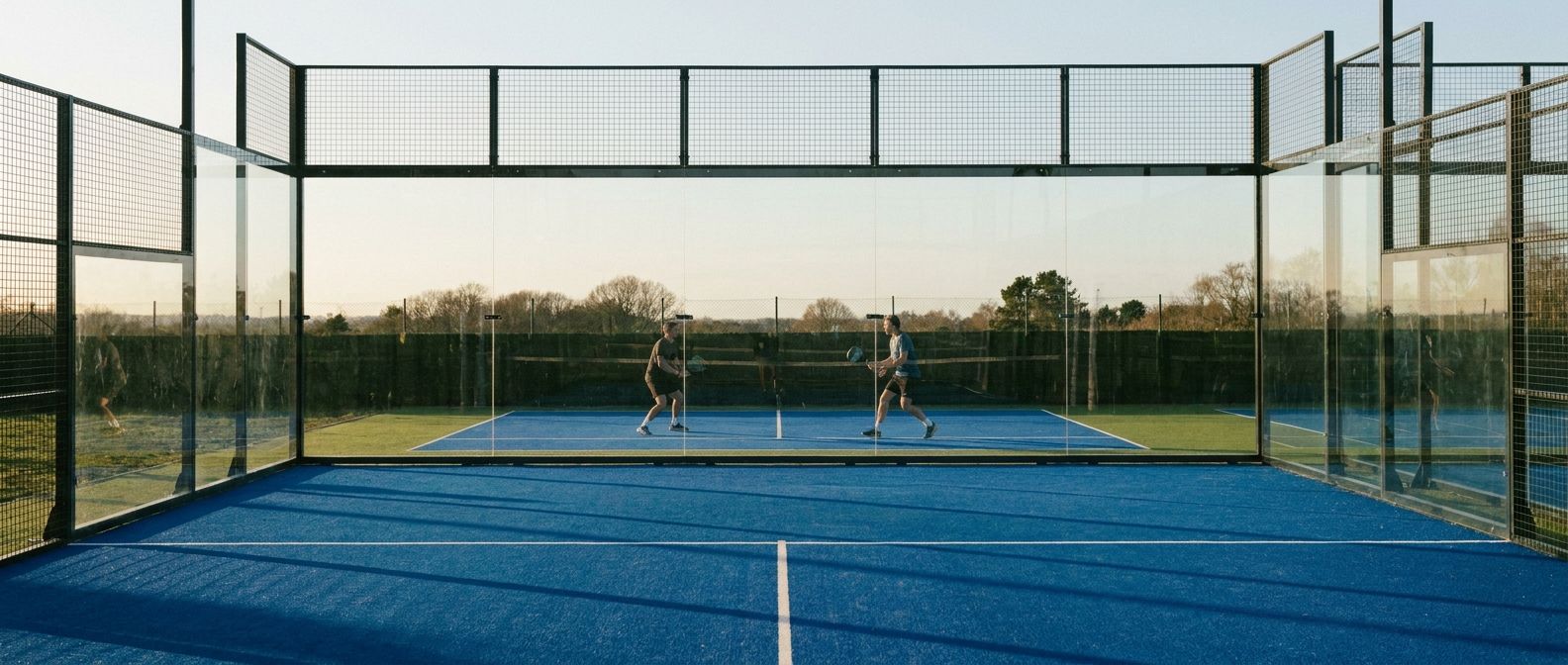
"Paddle" shows up in searches mostly because people mishear "padel," or because old paddle tennis rules pages got mixed in with newer padel content. Some venues still advertise "paddle" courts when they mean padel — usually just an outdated listing. If a court photo shows a fully enclosed box with glass and mesh walls, you're looking at padel, whatever the sign says.
So when you see padel vs paddle tennis as a search term, treat it as the same question as padel vs tennis. There isn't a separate, actively played "paddle tennis" scene worth comparing padel against in most parts of the world. Tennis is the real comparison.
Padel vs tennis: what's actually different
Court and walls
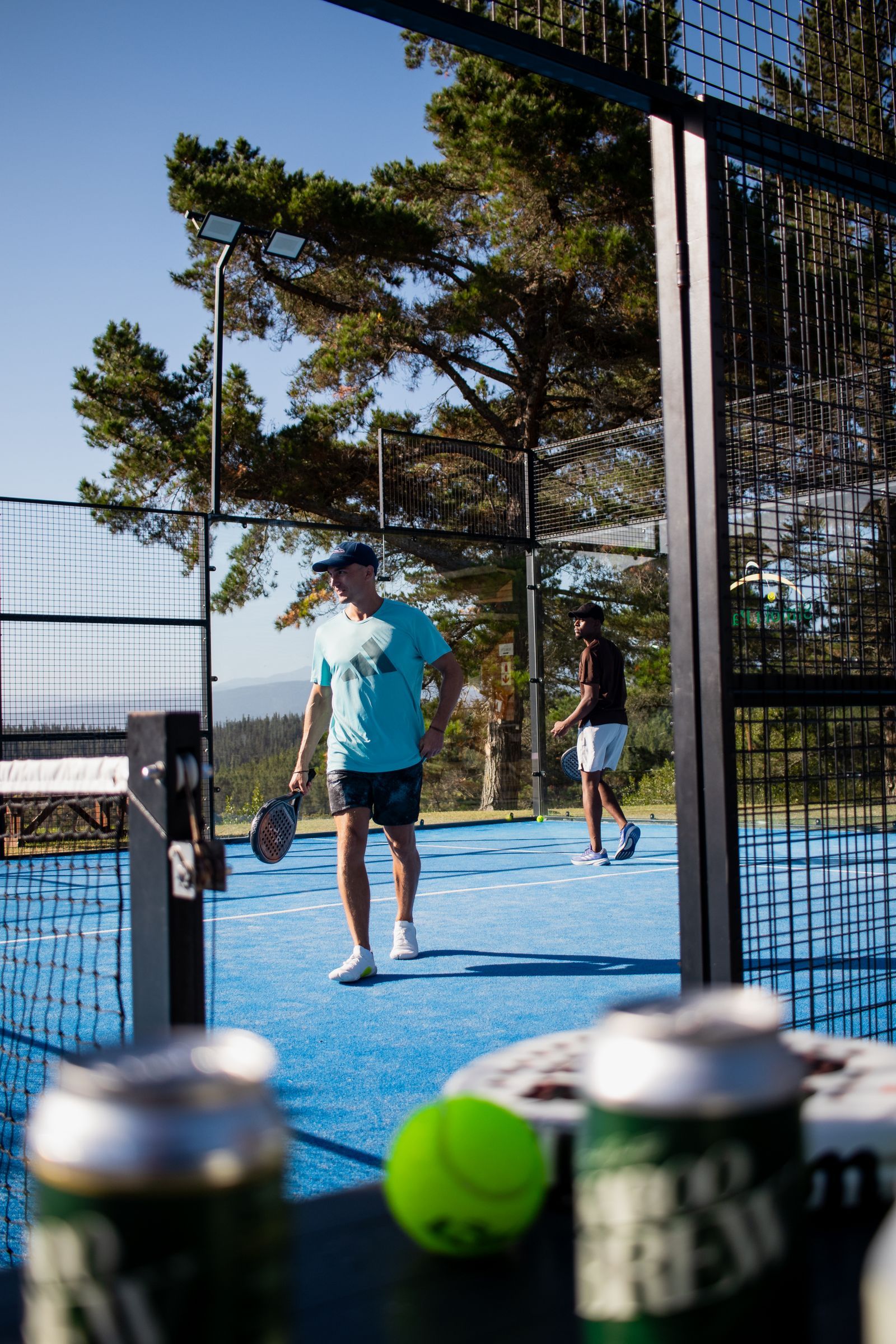
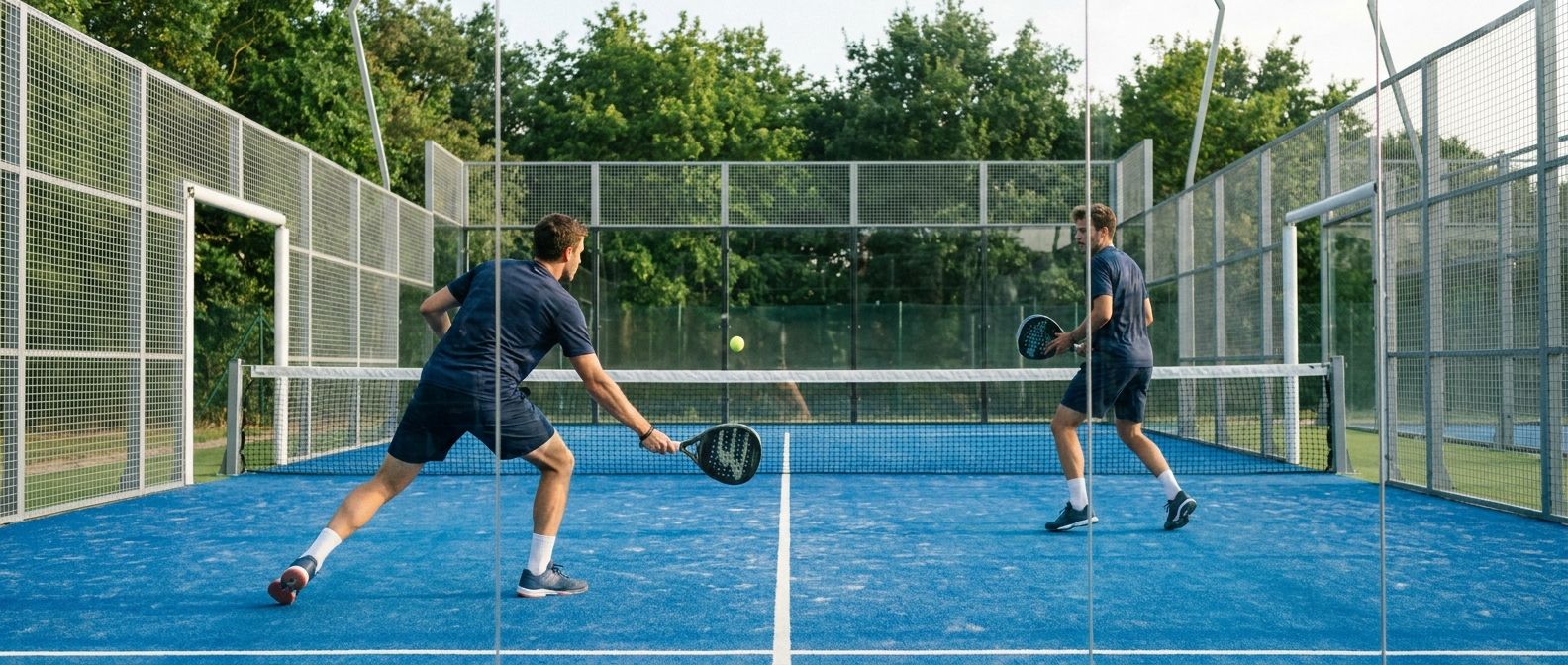
A padel court is about 20 x 10 meters, fully enclosed, with glass at the back and sides and mesh higher up. The ball stays in play after it bounces off the glass, so the walls are part of your shot selection, not just a boundary. Tennis courts are open and roughly three times the size, with no walls in play at all.
Rackets and balls
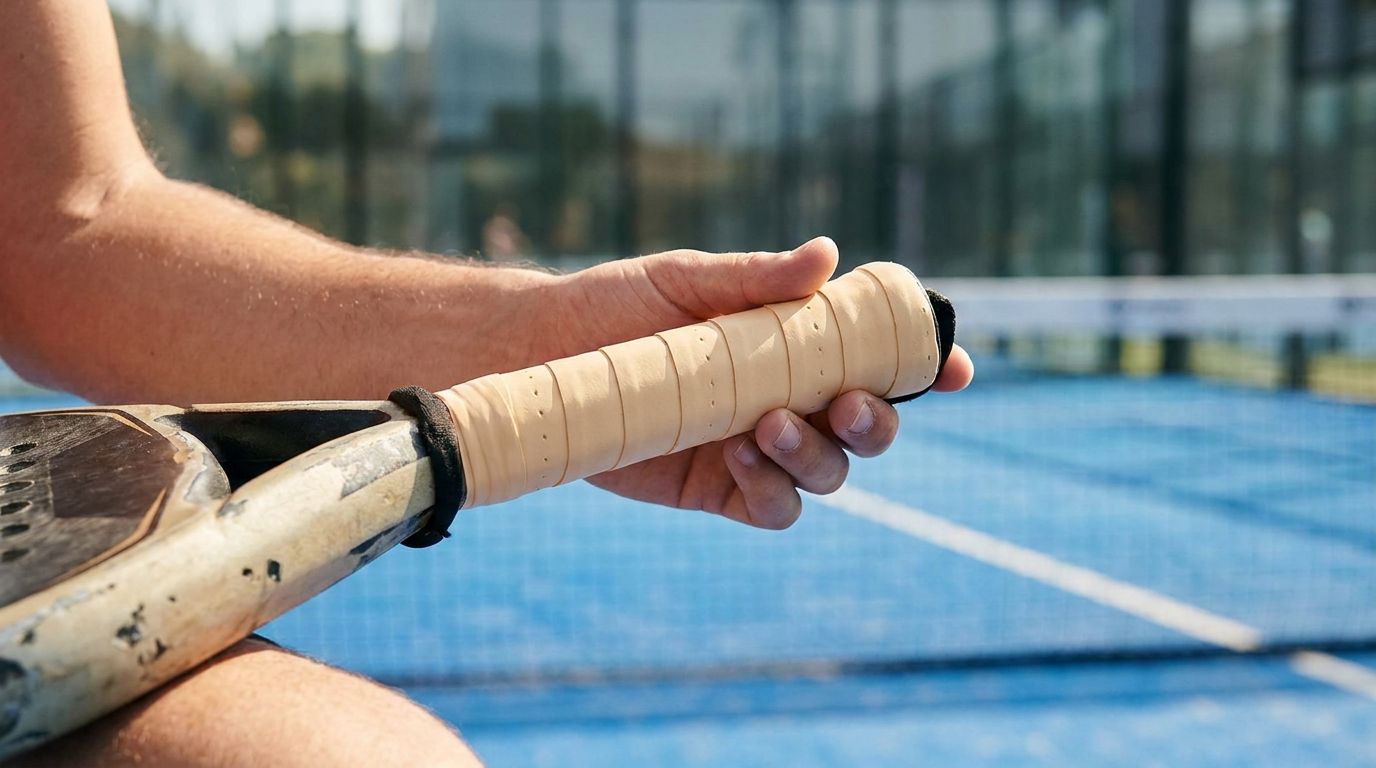
Padel rackets are solid, with no strings — perforated faces, foam cores, carbon or fiberglass on the outside. If you're picking your first one, our beginner padel racket guide covers what to look for. Tennis uses a strung racket and a larger, higher-pressure ball. Padel balls look similar but have lower pressure, built for the shorter, enclosed court.
Serve and scoring
Padel serves are always underhand, bounced first and hit below waist height into the diagonal service box. Tennis serves are overhand and can be hit at full power. Both use the same scoring pattern (15-30-40-game), so if you know tennis scoring, padel needs no relearning. For the full breakdown, see our padel serve rules and scoring guide.
Format
Padel is almost always doubles. Tennis is played both singles and doubles, with singles being the format most people picture.
What transfers from tennis to padel
Footwork, reading the ball early, and soft hands at the net carry over well. What doesn't transfer: swinging for power. Padel rewards placement and patience over pace, because the ball rarely just dies — it bounces off the glass and comes back.
Booking the right court
Skip the "paddle" vs "padel" naming debate and just check the photos. Full glass and mesh enclosure, a compact 20 x 10 court, and doubles-only booking slots mean padel. If a listing still says "paddle tennis rules apply" but shows an enclosed glass court, the wording is just outdated — it's padel.
Ready to book? Find padel courts on PadelMap and browse more technique and gear guides on the PadelMap blog.
Takeaways
- Padel vs paddle isn't two sports — it's one sport with an inconsistent name across old listings and searches.
- The real comparison is padel vs tennis: enclosed glass court vs open court, underhand serve vs overhand, solid racket vs strung, mostly doubles vs singles or doubles.
- If a "paddle tennis rules" page describes an enclosed glass court, it's describing padel.