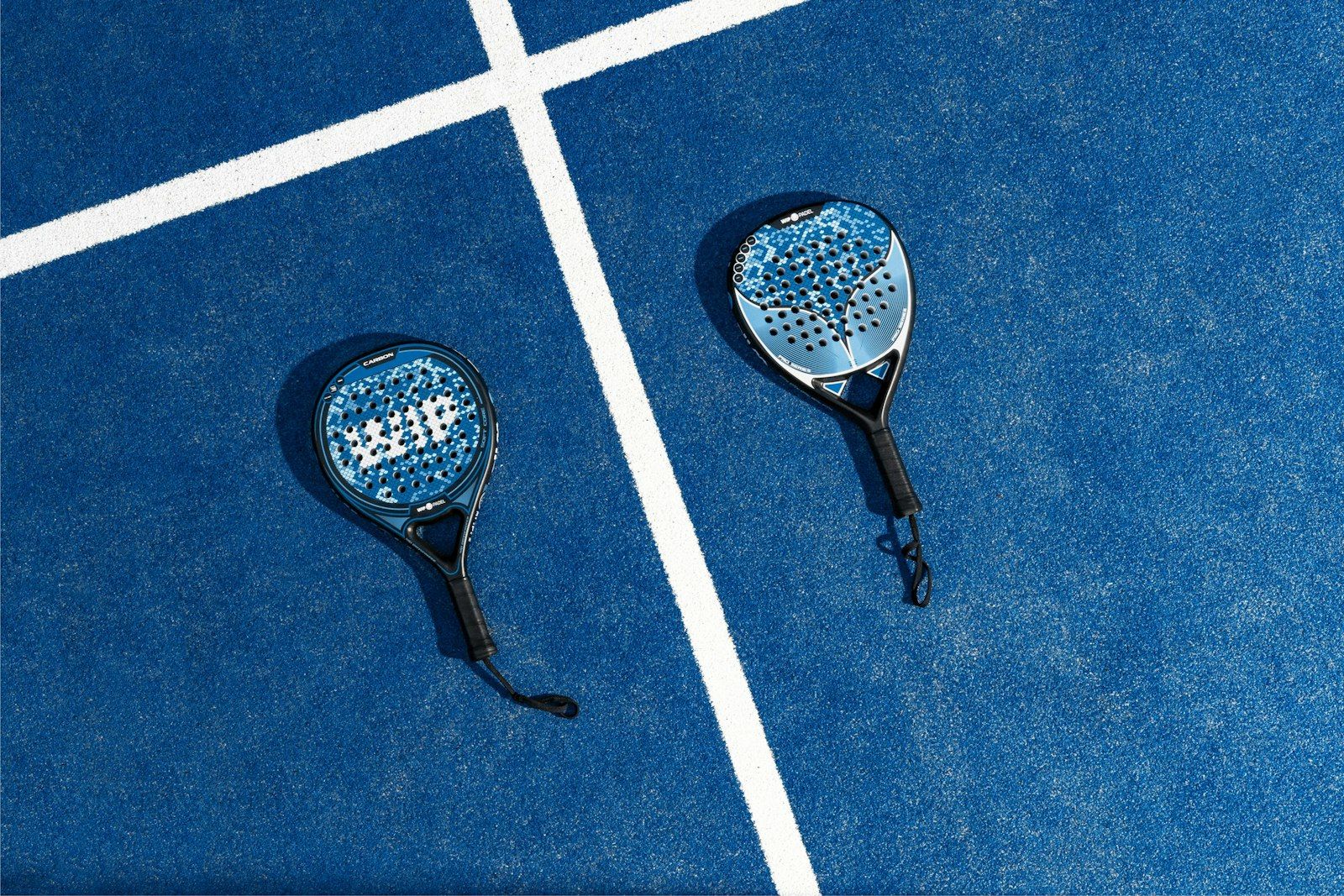
Choosing the best padel racket for beginners should feel simple: you want a frame that forgives off-center hits, helps the ball leave the face at moderate swing speeds, and does not punish every mistimed volley. Expensive carbon diamonds look sharp in the shop, but they often ask for clean technique you have not built yet.
This buying guide focuses on shape, weight, materials and feel so you can pick a beginner padel racket—or a best budget padel racket—that supports learning instead of fighting it. You will also see when a round face or a softer core is worth prioritizing over raw power.
What beginners actually need from a racket
New players benefit most from a large, centered sweet spot, a manageable weight (often in the mid-300g range strung-feel equivalent), and a softer EVA or foam core. Those traits make defensive lobs and blocked volleys easier while you learn footwork and glass play.
Power will come later from better positioning and timing. Early on, control and comfort protect your elbow and keep rallies alive long enough to learn patterns with your partner.
Why a round shape is usually the safest start
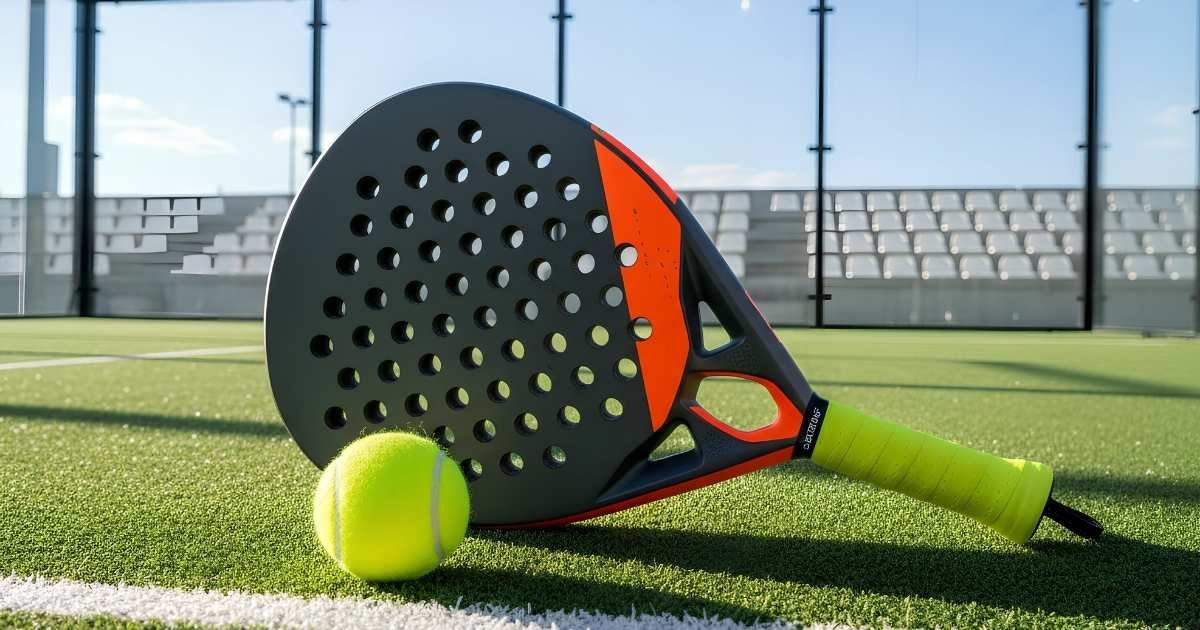
The best round padel racket options place the sweet spot near the center of the face. That geometry is forgiving when contact is slightly late or early. Teardrop shapes sit in the middle; diamond shapes push mass and the sweet spot higher for smashers who already generate racket-head speed.
If you are still building a consistent underhand serve and first volley, start round. You can always move toward a teardrop once you notice clean contact and want a bit more leverage on overheads.
Materials: fiberglass comfort vs carbon bite
Many accessible frames use fiberglass faces over a soft or medium EVA core. Fiberglass flexes more than stiff carbon, which helps the ball trampoline forward when your swing is still moderate. Carbon faces feel more precise and powerful but demand cleaner strikes.
Looking for the best cheap padel racket does not mean buying the lightest no-name frame online. Check that the racket has a proper wrist strap, a durable frame finish, and a weight label you can verify in-store when possible. A slightly used mid-range club racket can outperform a brand-new ultra-budget model that vibrates harshly.
Weight, balance and arm comfort
Head-light balance helps you react at the net. Head-heavy rackets can feel powerful on bandejas but tire the shoulder faster. If you have had tennis elbow or shoulder niggles, prefer softer cores and avoid very rigid, head-heavy setups until a coach or physio clears you.
Grip size matters too. Most adult beginners do well with a standard grip plus one overgrip for sweat control. The handle should feel secure without forcing a death grip.
A practical shortlist mindset
- Round or soft teardrop shape for a beginner padel racket.
- Fiberglass or hybrid face with soft/medium EVA for easier ball output.
- Mid weight with head-light to even balance for net play.
- Trusted brand finishing and a real warranty where available.
- Try before you buy if your club or shop allows demo hits.
Budget tips without buying twice
A best budget padel racket is one you will still enjoy after three months—not the absolute lowest price tag. Spend on comfort and durability first. Save premium adjustable-weight carbon systems for later, when you know whether you prefer control or attack.
If two models feel similar, pick the one with better reviews for vibration dampening and frame toughness. Beginners hit the glass and fence more often; fragile cosmetics chip quickly in group clinics.
How to test a racket in ten minutes
Hit soft feeds from the service line, then take a few volleys at the net and one or two lobs off the glass. Ask: Does the ball leave the face without muscling it? Does off-center contact still stay in play? Does your forearm feel calm after a short rally?
If the answer is yes on all three, you are close. Ignore marketing names for a moment and trust that feedback.
Pair the racket with real court time
Equipment only helps if you play. Use PadelMap to find courts near you, then book consistent sessions while the new frame still feels novel. For deeper reading on how premium constructions differ once you outgrow a beginner setup, see our look at Adidas padel racket engineering and browse the racket reviews hub.
Common beginner mistakes when buying
Buying purely on tour-player graphics is the classic trap. Pro frames are built for players who already generate speed; copying that setup as a first racket often leads to mishits and arm strain. Another mistake is chasing the lightest possible frame: ultra-light rackets can feel whippy and unstable on hard volleys.
Also watch balance claims without numbers. Two rackets listed at similar weights can feel completely different if one is head-heavy. When a shop cannot let you demo, ask for balance category and core hardness in plain language, then compare two candidates side by side in the hand.
When to upgrade from your first frame
Upgrade when your contact is clean on most balls, you finish points at the net with intent, and the soft beginner face starts to feel muted rather than helpful. That is the moment a firmer teardrop or controlled carbon model can add precision without shocking your technique.
Until then, keep playing. A reliable beginner padel racket plus weekly matches will teach you more than another shopping tab. Use court time to decide whether you prefer control on the backhand volley or a bit more pop on the bandeja—those preferences should drive the second purchase.
The bottom line
The best padel racket for beginners is forgiving, round-biased, and comfortable—not the stiffest carbon diamond on the wall. Choose a beginner padel racket that helps you keep the ball in play, treat a best budget padel racket as a durability buy rather than a bargain bin special, and move up only when your contact quality asks for more.