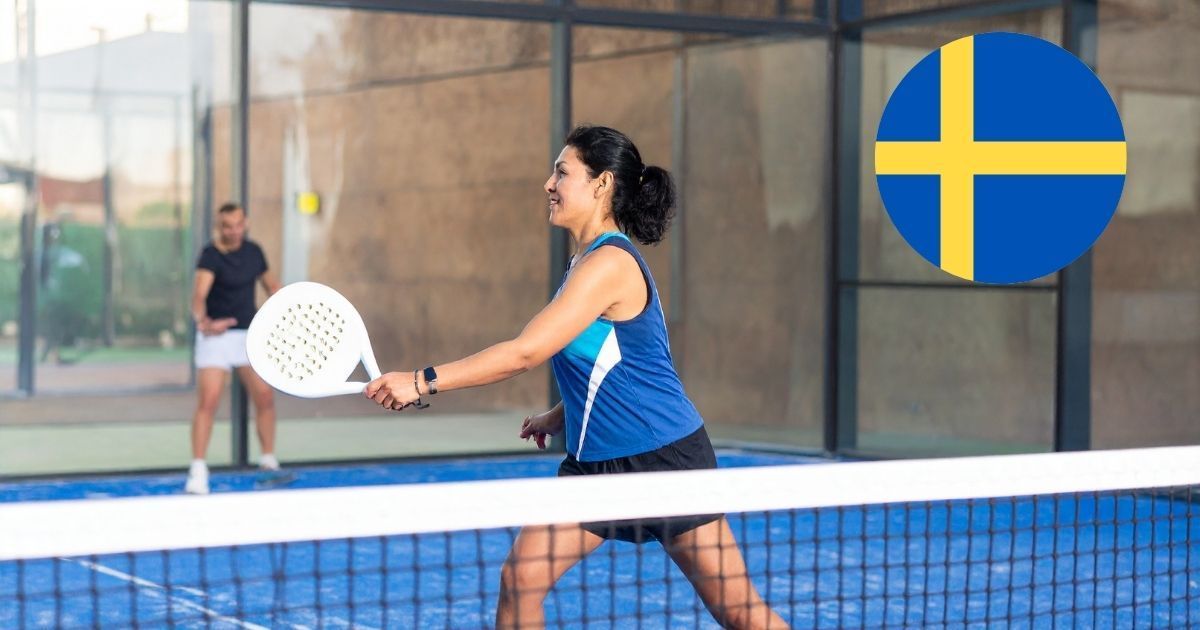
🇸🇪 Sweden’s Padel Boom and Bust: A Global Lesson in Sustainable Growth
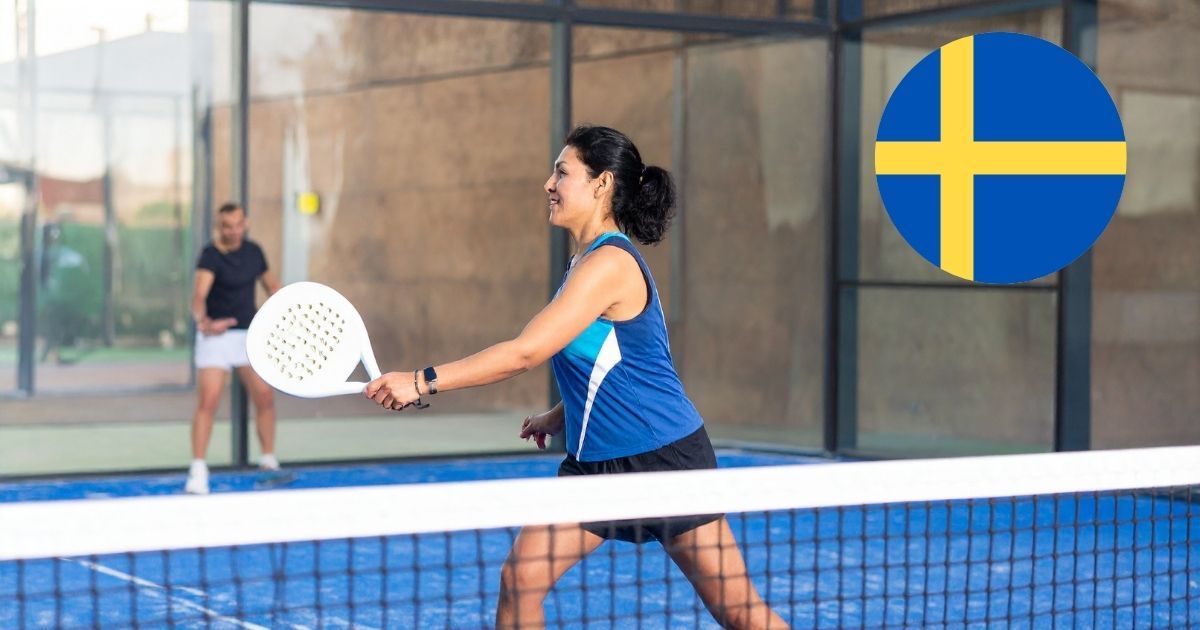
Padel’s rise has been nothing short of extraordinary. From a niche pastime to a global sports phenomenon, the pace of expansion is reshaping how communities play and invest in the sport.
By late 2024, there were an estimated 50,000 padel courts worldwide, with forecasts from Plonic and PwC projecting 70,000 by 2026 — adding more than four new courts every single day.
Even more impressively, over 90% of new players return to play again, showing that padel’s popularity is driven by passion, not hype. But as Sweden’s story shows, explosive growth comes with risks.
⚠️ Sweden’s Padel Paradise Turned Crisis
In 2019, Sweden had only a few hundred padel courts. By 2022, that number had skyrocketed to over 4,000 — an eightfold increase in just three years.
Cities like Uppsala saw courts rise from 14 to nearly 100 in a single year. It seemed like a padel paradise — until the market crashed.
Between 2022 and 2024, more than 100 Swedish padel facilities closed or were repurposed, as the boom turned into a bust.
Three Key Reasons Behind the Collapse
- Oversupply: Demand dipped once the pandemic buzz faded, leaving thousands of idle courts.
- Energy costs: Electricity prices in southern Sweden rose nearly fivefold, making indoor facilities unsustainable.
- Debt-fueled expansion: Operators borrowed heavily; major groups like We Are Padel and PDL United needed emergency funding or restructuring.
Many of these vast halls now serve as warehouses or supermarkets, a visual symbol of overexpansion.
🏓 How the Surviving Clubs Adapted
Not all operators failed. Some adapted by focusing on community, not construction.
Clubs that survived — like We Are Padel under the Lab Group — shifted from rapid growth to relationship building. They launched:
- Coaching programs
- Junior academies
- Local leagues & ladders
- Social nights and tournaments
These clubs became centers of belonging, not just booking platforms — a model proving that community is the real foundation of sustainable padel.
🇬🇧 The UK’s Steady and Strategic Padel Growth
By mid-2025, the UK had around 900 courts across 300 venues and over 400,000 active players.
Growth remains strong, but planning challenges — not demand — are slowing expansion. Noise and light objections have delayed projects, such as the Lee Valley Tennis Centre in London.
The Lawn Tennis Association (LTA) now advises noise surveys for courts near homes and encourages early community consultation.
Indoor builds are expensive, and suitable tennis halls for conversion are limited — but this slower, data-driven approach may help the UK avoid Sweden’s fate.
🌍 Global Padel Trends 2025: Opportunities and Risks
| Region | Current Landscape |
|---|---|
| Spain | Over 16,000 courts; fully mainstream and mature. |
| Italy & France | Rapid growth fueled by strong tennis cultures. |
| Middle East | Dubai & Saudi Arabia investing heavily in luxury clubs. |
| South Africa | Virgin Active expanding from 65 → 100 courts. |
| Netherlands | Smart integration within tennis clubs for higher ROI. |
| Indonesia | 350+ new courts in 2 years, but unclear regulations add risk. |
Each market reveals a different lesson: padel can grow anywhere, but not everywhere at once.
🧭 The Padel Investor’s Checklist for Sustainable Growth
Before building or expanding, every padel operator should follow these best practices:
✅ Prove local demand first. 🚀 Expand in phases, not all at once. 💡 Diversify revenue with coaching, leagues, and social events. 🤝 Engage communities early to handle noise and zoning concerns. ❤️ Build a club culture, not just courts — belonging drives loyalty.
💬 The Big Takeaway: Growth with Discipline
Sweden’s rise and fall isn’t the end of padel — it’s a wake-up call. The sport’s global success will depend on utilization, economics, and community building, not hype.
Markets like the UK, France, and Italy are proving that steady growth beats fast growth. Those who ignore the Swedish lesson risk repeating its mistakes.
The strongest padel markets won’t be those with the most courts — but those with the strongest communities.
📅 Published: October 5, 2025 ✍️ Author: PadelMap Editorial Team
#PadelGrowth #SwedenPadel #PadelNews #GlobalPadelTrends #SustainablePadel #PadelIndustry2025