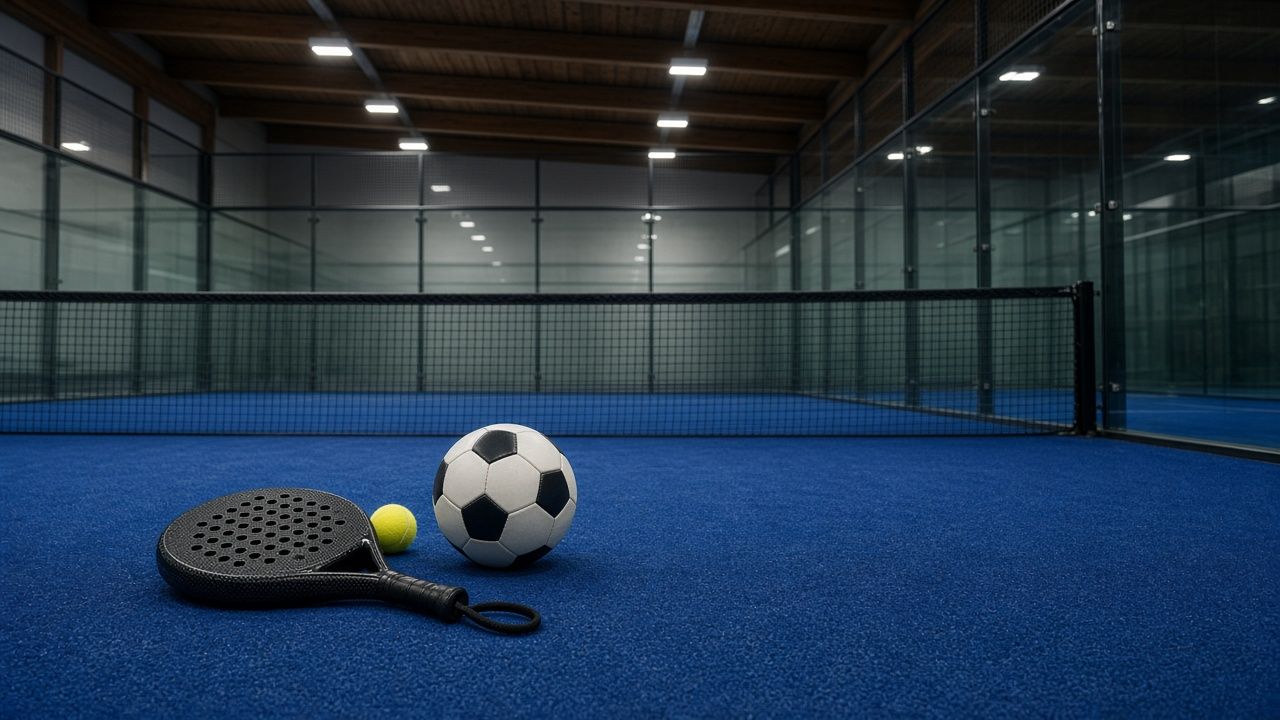
Walk into a padel centre anywhere in Europe and there is a decent chance someone on the next court used to play football for a living. The overlap between the two sports has become one of padel's most visible storylines.
It is not just retired players either. Current Premier League squads have asked for courts at their training grounds, and some of the biggest names in the game have put their own money into padel clubs.
So why does a racket sport played in a glass box appeal so strongly to footballers? And how does that connect to the quieter, but very real, padel boom in Norway?
The big names who caught the bug
The list of famous footballers linked with padel is long. The Athletic reported in 2023 that Lionel Messi picked up the game while living in Barcelona, and that Cristiano Ronaldo and Neymar are also devoted players.
At Liverpool, Jürgen Klopp and his assistant Pep Lijnders were a regular doubles pairing. The club even posted a video of the two of them playing Mohamed Salah and Thiago on a pre-season trip to Dubai.
Zlatan Ibrahimović went further than most. He opened Padel Zenter in Örebro, Sweden, and has since expanded to other Swedish cities, including Skövde, Jönköping and Uppsala.
Zinedine Zidane is also building a sports centre in southern France with 13 padel courts, according to The Padel Paper, with construction set to start in 2026.
Premier League dressing rooms are paying attention
In England, the connection is visible inside the clubs themselves. When Manchester United rebuilt its Carrington training ground, Goal reported that the players had asked for a padel court, with Diogo Dalot among the most enthusiastic backers.
Several Premier League players have also invested in the sport. Virgil van Dijk, Jamie Vardy and Dominic Calvert-Lewin were early backers of Game4Padel, a UK operator that counts Andy Murray among its investors too.
Former goalkeeper Shay Given and James Milner are part of a group behind The Padel Club, which started in Wilmslow and has expanded to other English towns.
For a sport that was still a curiosity in Britain only a few years ago, that is a remarkable amount of football money and attention.
Why the game suits footballers so well
Former players tend to give the same reasons when asked. Padel is fast, social and competitive, but it does not demand the endless running of a football pitch.
John Terry told the Mirror he plays up to three times a week. "A tennis court is probably a little bit too big but we can still get around a padel court," he said, adding that the short, intense bursts suit him better than long runs.
Dion Dublin described the social side in the same interview. After a game, he said, the group stays to chat and have a drink, and "it is like being in a dressing room."
That dressing-room feeling matters. Padel is almost always played as doubles, so you are part of a small team again, talking tactics with a partner between points.
The football skills that carry over
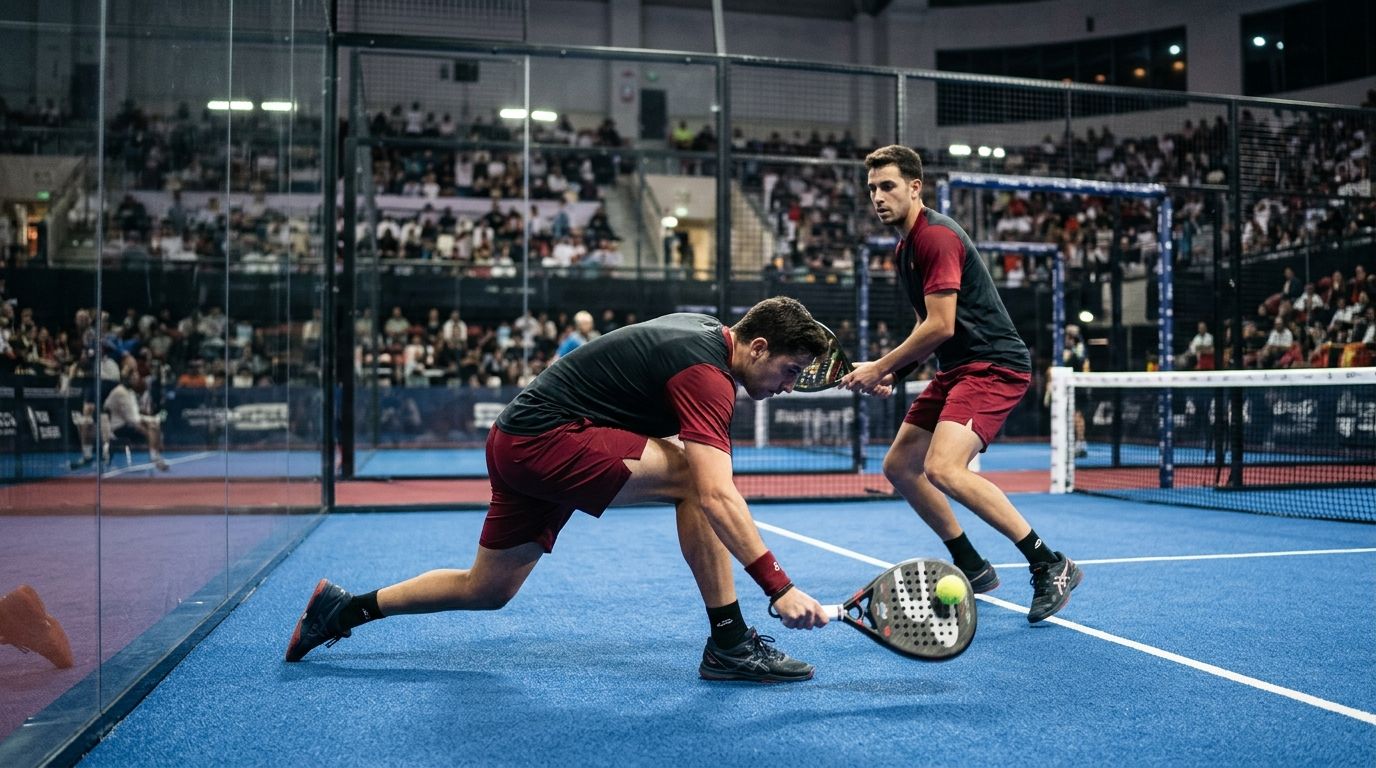
There are good sporting reasons for the crossover too. Footballers are used to reading a ball that bounces and changes direction, which helps when shots come back off the glass.
The game rewards quick feet, short sprints and changes of direction rather than raw power. Those are exactly the movements a footballer has trained for years.
Positional thinking also translates. Good padel pairs move together, cover the middle and wait for the right moment to attack, which will feel familiar to anyone who has played in a back four.
One habit footballers do have to unlearn is using the body. In padel the ball may only be played with the racket, so a chest or a foot that touches it costs you the point, however neat it looks.
The hands take time too. Grip, wrist position and soft touches at the net are new skills, which is part of the fun for players who are used to being good at their sport.
If you are coming to padel from football, our first padel game plan walks through what to expect before, during and after your first match.
Norway's padel boom
Norway does not have Sweden's huge numbers, but padel has grown fast here too. When the Norwegian tennis federation took padel in as a discipline in 2017, there were 11 courts and about 230 registered members in the country.
By the end of October 2023, the federation counted around 500 courts across Norway. That same year it voted to change its name to Norges Tennis- og Padelforbund, the Norwegian Tennis and Padel Federation.
The International Padel Federation put the figure at about 560 courts and roughly 135 clubs and facilities by mid-2024, with an estimated 150,000 amateur players.
Norway has also started hosting international events. Oslo's Nordic Padel Club staged qualifiers for the FIP European Padel Championships in June 2024.
What Norway can learn from its neighbour
Sweden is the obvious comparison. Padel exploded there, then many venues struggled when supply outran demand, a story we have looked at in Sweden's padel boom and bust.
The lesson for Norway is about pace. For players, a sustainable club network means courts that are maintained, coached and still open in five years.
The football connection could help here. Clubs and former players bring visibility, and a sport that fits neatly around a busy week has an easy pitch to people who used to play team sports.
Football and padel in the Norwegian calendar
Norway's football season runs roughly from spring to early winter, so many amateur and recreational footballers look for something to keep them fit and social through the darkest months.
Padel fits that gap well. Many Norwegian courts are indoors, sessions last an hour or so, and you only need three friends and a booking.
If you follow Norwegian football closely and want to keep an eye on results while the padel racket comes out, Norwegian football coverage at DF-02 has tables and results from Eliteserien, OBOS-ligaen and the Premier League.
How to find a court and get started
The easiest way to begin is to book an hour at a local centre and rent a racket. Many clubs also run beginner sessions where a coach explains the walls and the scoring.
Booking systems vary from club to club, and some are much better than others. Our guide to court booking tools for padel explains what to look for before you pay.
Bring indoor shoes with good grip, a bottle of water and an open mind about the glass. It usually takes a few sessions before the rebounds start to make sense.
A sport that keeps the team feeling alive
Footballers love padel for simple reasons. It is fast, competitive and social, and it gives them a reason to get together with old teammates long after their playing days are over.
The same things explain why the sport has spread so quickly in Norway. You do not need to have played in the Premier League to enjoy it, just a partner, a court and a willingness to chase the ball off the back wall.