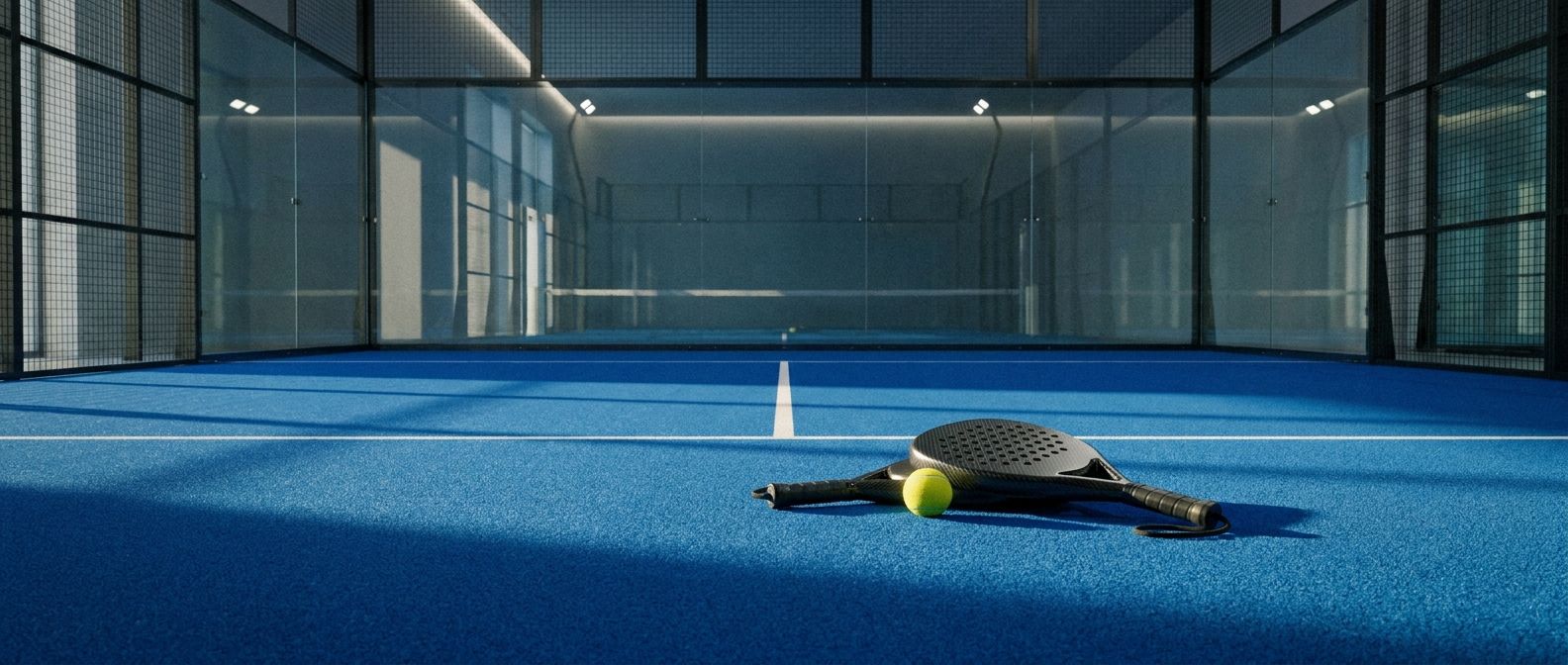
A good padel match does not begin with the first serve. It begins when you know who is playing, how long the court is booked, what the surface feels like, and what kind of point you are trying to build. New players often arrive with one instruction in mind — hit fewer mistakes — but that is too vague to help once the ball is moving.
This is a practical game plan for club players who already know the basic rules and want a calmer hour on court. It is not a professional tactic sheet. It is a way to spend the first ten minutes better, choose safer targets, use the glass without panic, and leave the court knowing what to work on next.
Before the match: solve the simple problems first
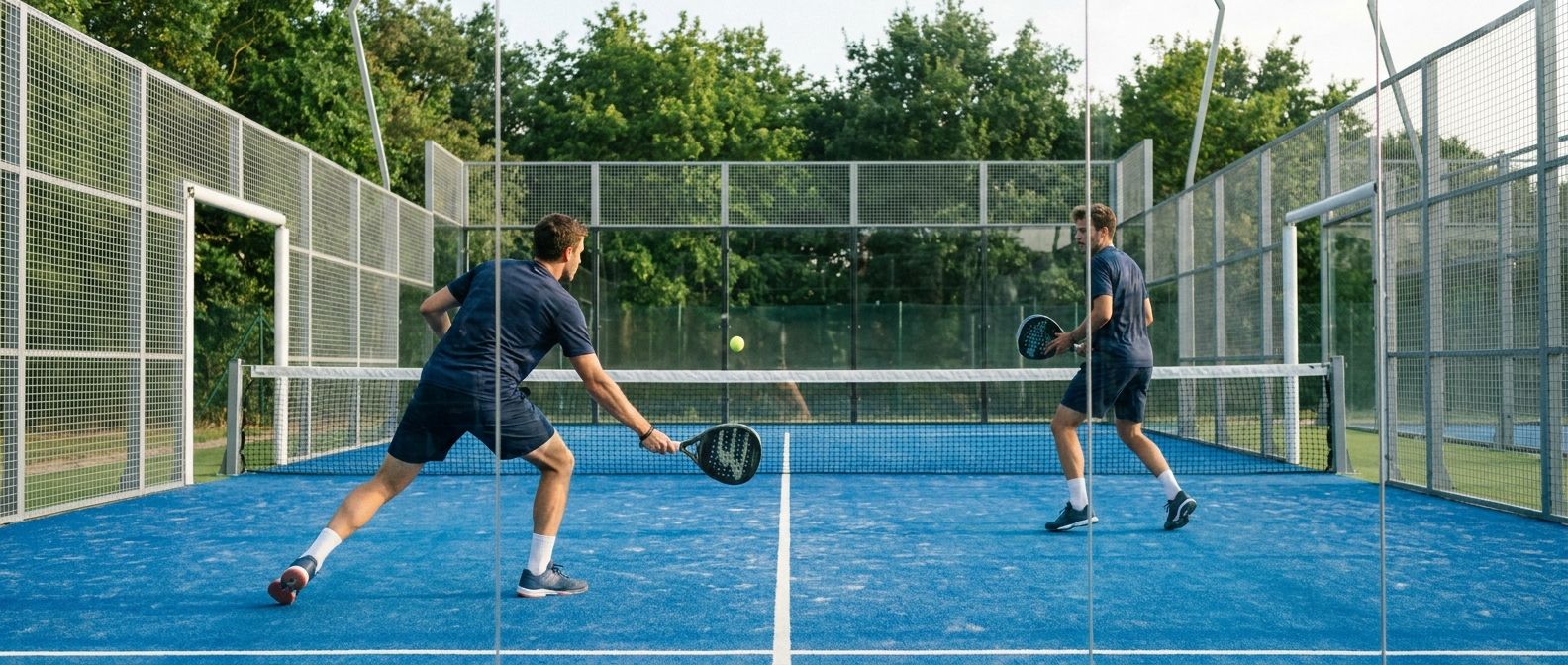
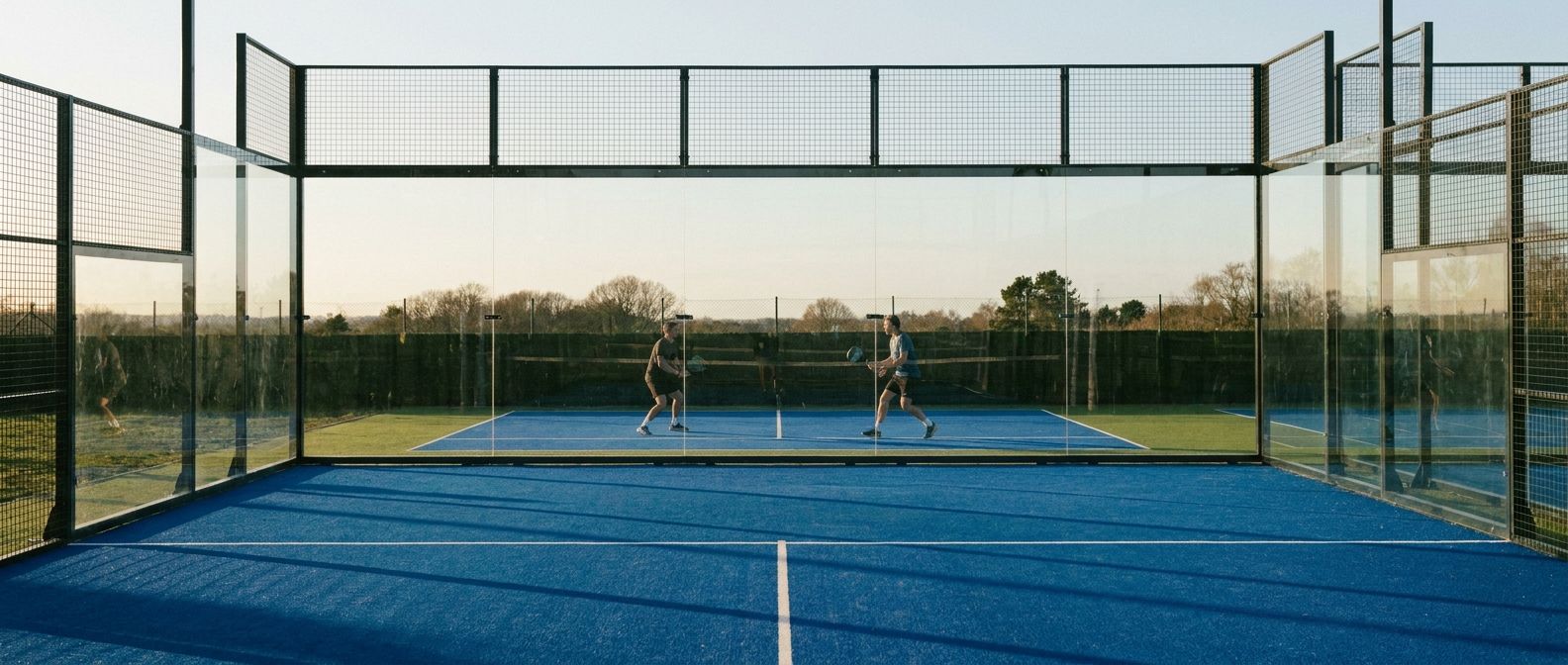
The most useful preparation is usually practical. Check whether the club uses sand-dressed turf or a newer textured surface. Look at the ceiling height if you are indoors. Notice whether the back glass is clean enough to read the rebound. These details sound small, but they decide whether a lob is a weapon, a risk, or simply a ball you should avoid until you have adjusted.
Warm up the movements you will actually use. A few volleys, controlled bandejas, soft glass rebounds and short diagonal serves are more useful than five minutes of heavy forehands from the back. Padel punishes cold sideways movement. Give your ankles, hips and shoulders a chance before the first competitive point.
If you are playing with a new partner, agree on two rules before the match: who takes the middle ball, and what you will do after a lob. Many beginner points are lost because both players admire the same ball or both retreat when only one person needed to move. A short agreement prevents long explanations later.
Serve with a plan, not with surprise
The underhand serve is not there to win the point immediately. Its job is to give you and your partner time to move forward and start the rally from a stable position. A slower serve that stays low and reaches the side glass can be more valuable than a fast serve that sits up in the returner’s strike zone.
Choose one simple target for the first service game. Serve mostly to the backhand or mostly toward the side glass, then watch what happens. Does the returner block safely? Do they swing too big? Do they return cross-court every time? You are collecting information, not showing every serve you know.
After serving, move forward without sprinting into the net. Stop in a balanced position before the return arrives. Many players rush so close that the first volley is played from under the body. Better to arrive half a step farther back and hit a clean, controlled volley than to crowd the net and donate the point.
Use the first volley to build pressure
At club level, the first volley does not need to be spectacular. It needs to be awkward for the opponents. A controlled volley to the feet, a ball into the corner, or a deep shot through the middle can be enough. The goal is to make the next ball easier for your team, not to finish a point that has barely started.
If both opponents are at the back, avoid changing direction too early. Keep the ball in front of you and make them hit from below net height. When a short ball comes, then step in. Newer players often lose control because they try to force a winner from a neutral ball. In padel, patience is not passive; it is how you earn the attack.
Talk to your partner between points, not during every shot. Useful words are short: mine, yours, stay, switch, leave. Long coaching phrases usually arrive too late. The best communication makes movement simpler rather than adding another decision.
When you are defending, buy time first
Defence in padel begins with accepting that the glass is part of the court. If a ball is clearly going to rebound, do not stab at it early unless you have to. Let it come off the back glass, turn your shoulders, and play a compact shot back into space. The contact will often feel later than tennis players expect.
Your safest defensive target is usually deep through the middle or cross-court with height. A low, flat escape from the corner looks brave until it hits the net. A higher ball gives your team time to recover and may push the opponents back. When under pressure, time is more valuable than style.
The lob is the reset button, but it needs intention. Lob over the player who is closer to the net or less comfortable overhead. Do not lob automatically from every defensive position. If you are off balance and late, a medium-height ball to the middle can be safer than a desperate lob that lands short.
Keep score with patterns, not memories
After a match, most players remember the dramatic points. Those are rarely the ones that decide the hour. The better question is where points were repeatedly lost. Were returns going into the net? Were lobs too short? Did both players chase the same middle ball? A pattern is useful because it gives you one change for next time.
Write down three things while they are still fresh: one shot that held up, one situation that broke down, and one rule for the next match. For example: keep the serve lower, call middle balls earlier, or lob only when balanced. That is enough. A small repeatable adjustment beats a long list no one remembers.
Padel becomes more enjoyable when the match has shape. Prepare the basics, serve with a target, build the first volley, defend with time in mind, and review the patterns afterwards. You will still miss balls. Everyone does. The difference is that your misses start teaching you something.