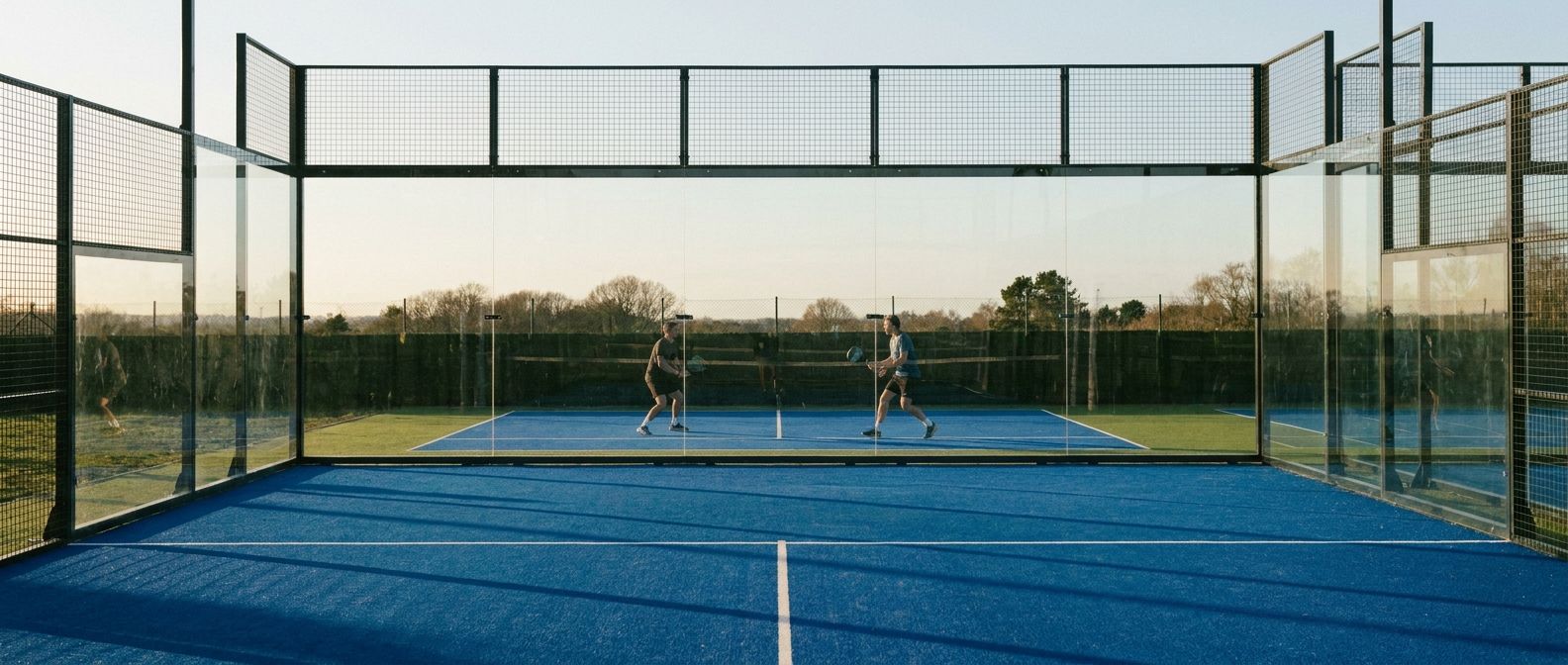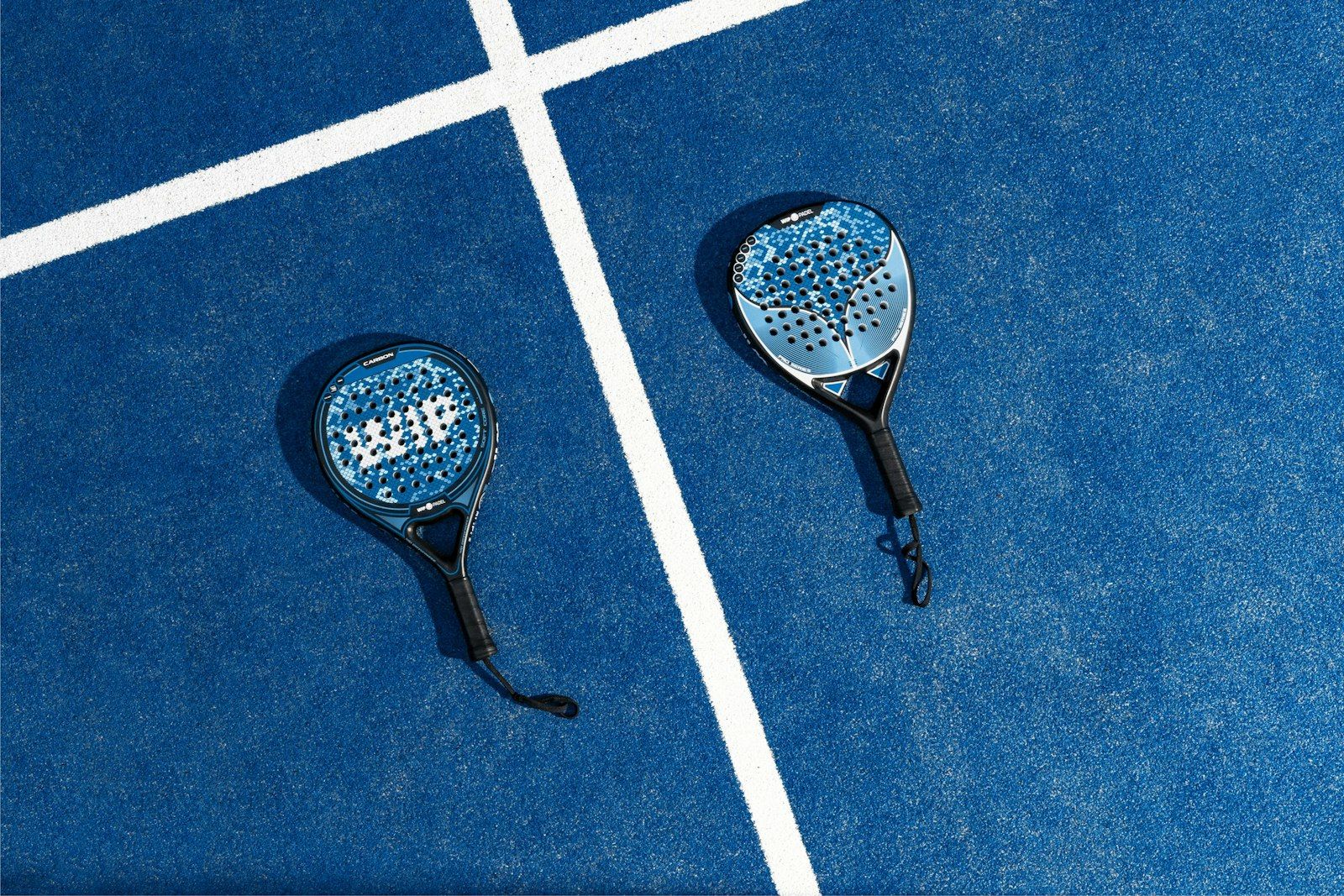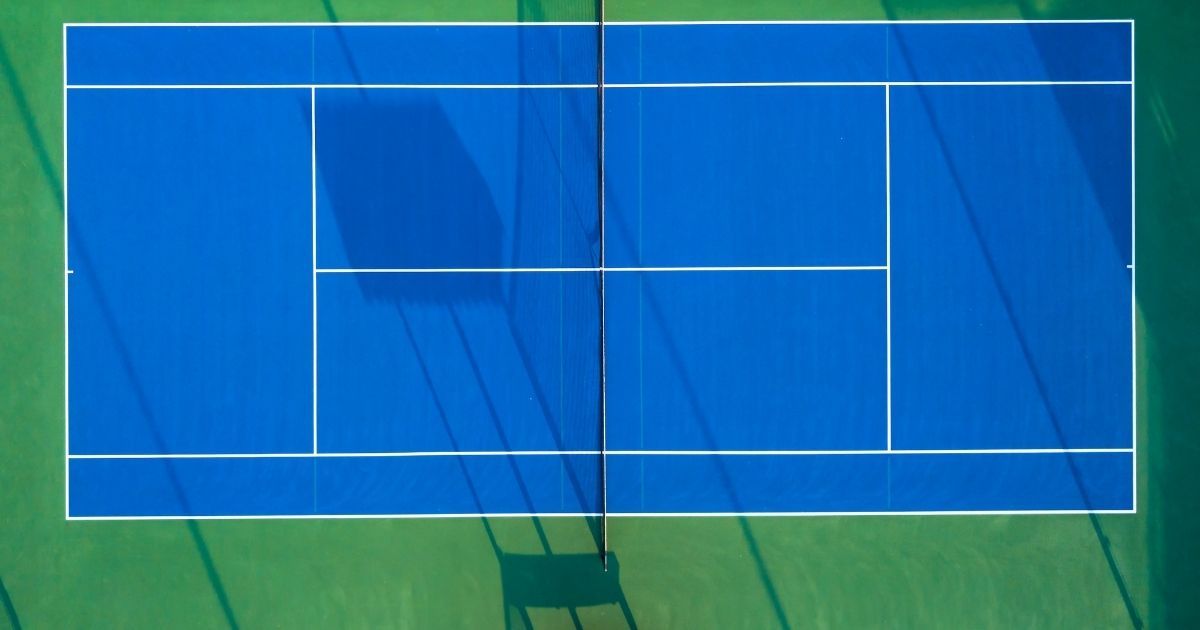
If you are new to the sport, understanding padel serve rules is one of the fastest ways to feel comfortable on court. The serve starts every point, sets the tempo of the rally, and follows a few clear constraints that differ from tennis.
This guide walks through how the underhand serve works, how padel scoring mirrors tennis with a few practical twists, and how ball and net situations are handled in everyday club play. Once these basics click, you can focus on reading the bounce and building confidence with your partner.
The underhand serve, step by step
Padel serving rules require an underhand action. You bounce the ball behind the service line, then strike it at or below waist height so it travels diagonally into the opposite service box. The ball must bounce in that box before your opponents play it.
Stand with both feet behind the service line and ideally at least one foot on the ground at contact. You have two attempts on each point, just as in tennis: a fault on the first serve gives you a second chance; two faults in a row lose the point.
A good beginner habit is to aim for depth and consistency rather than heavy spin. A serve that lands safely in the box and rises toward the glass gives your team time to take the net, which is where most padel points are won.
Where you stand and where the ball must go
Serve from the right court when the score is even (0-0, 15-15, 30-30, deuce) and from the left when it is odd (15-0, 30-15, and so on). The ball must cross the net diagonally into the receiver's service box. If it hits the net and still lands in the correct box, that is a let: replay the serve without counting it as a fault.
If the ball hits the net and then lands outside the box, or never reaches the box, it is a fault. Hitting the fence or side glass on the fly before the bounce also makes the serve illegal.
Padel scoring in plain language
Padel scoring follows the familiar tennis pattern: 15, 30, 40, then game. Games make up sets, and most club matches are best of three sets. At deuce, many recreational venues still play advantage; some tournaments use golden point (sudden death) on deuce—check the format before you walk on.
Because padel is almost always doubles, communication about who takes the return and when to switch sides matters as much as the numbers on the scoreboard. Call the score clearly before each point so both pairs stay aligned.
Padel ball rules you will meet every session
Padel ball rules are simple but easy to forget when the rally speeds up. The ball can bounce once on your side before you hit it. After the bounce, you may play it off the back glass or side wall; using the glass creatively is part of the sport's identity.
You cannot volley the serve on the return—the ball must bounce first in the service box. During a rally, a ball that hits the fence without bouncing on the court floor is generally out, while a ball that bounces in and then hits the fence or glass remains playable until it bounces a second time.
Keep a tube of pressurized balls for your level. Club balls that have gone flat make serves sit up awkwardly and disguise depth, which frustrates learning. Fresh balls bounce truer off the glass and help you judge pace.
Padel net rules during serve and rally
Padel net rules affect both the serve and open play. On serve, a ball that touches the net cord and still lands correctly is a let. In a rally, a ball that touches the net and lands in on the other side is live—play on. You may not touch the net with your racket, body, or clothing while the ball is in play.
If you are closing at the net, keep your racket up and your feet ready to adjust. Many beginners crowd the tape too early; give yourself a half-step of space so a dipping ball does not force an illegal net touch.
Common faults new players make
- Serving overhand or contacting the ball above waist height.
- Standing on or over the service line at contact.
- Aiming straight ahead instead of diagonally into the correct box.
- Forgetting that the returner must let the serve bounce.
- Calling score only after disagreements instead of before each point.
Practice ideas that stick
Spend ten minutes of warm-up serving only cross-court targets: deep middle of the box, then wide toward the side glass. Alternate with your partner so both of you rehearse first and second serves under mild pressure. Film a few serves from the side to check that contact stays at or below the waist.
When you are ready to book a court and put these habits into a real match, find courts on PadelMap and compare venues near you. For more reading on technique and equipment, browse the PadelMap blog.
Quick reference before your next match
- Underhand serve, bounce first, contact at or below the waist.
- Two serves per point; diagonal into the correct service box.
- Scoring: 15–30–40–game; confirm deuce format with the club.
- One bounce on your side; glass is fair after the bounce.
- Net touches during a live point lose the point.
Mastering padel serve rules and the linked scoring habits will not make every rally easy, but it removes the hesitation that slows new players down. Serve with a clear target, call the score, and build from there. When you are ready to upgrade equipment later, you can also browse racket reviews on PadelMap.