Choosing the best shoes for padel is less about chasing a logo and more about surviving sand-dressed turf. You plant for a bandeja, cut to the glass, then explode forward for a volley. The wrong pair turns those moves into slips, hot spots, and sore knees.
This guide is a practical buyer walk-through for club players. It covers sole patterns, lateral support, cushioning, and fit, and it places popular options such as the Head Motion Pro padel shoe in context so you can decide what belongs on your feet — not just in a shopping cart.
Why padel courts punish the wrong footwear
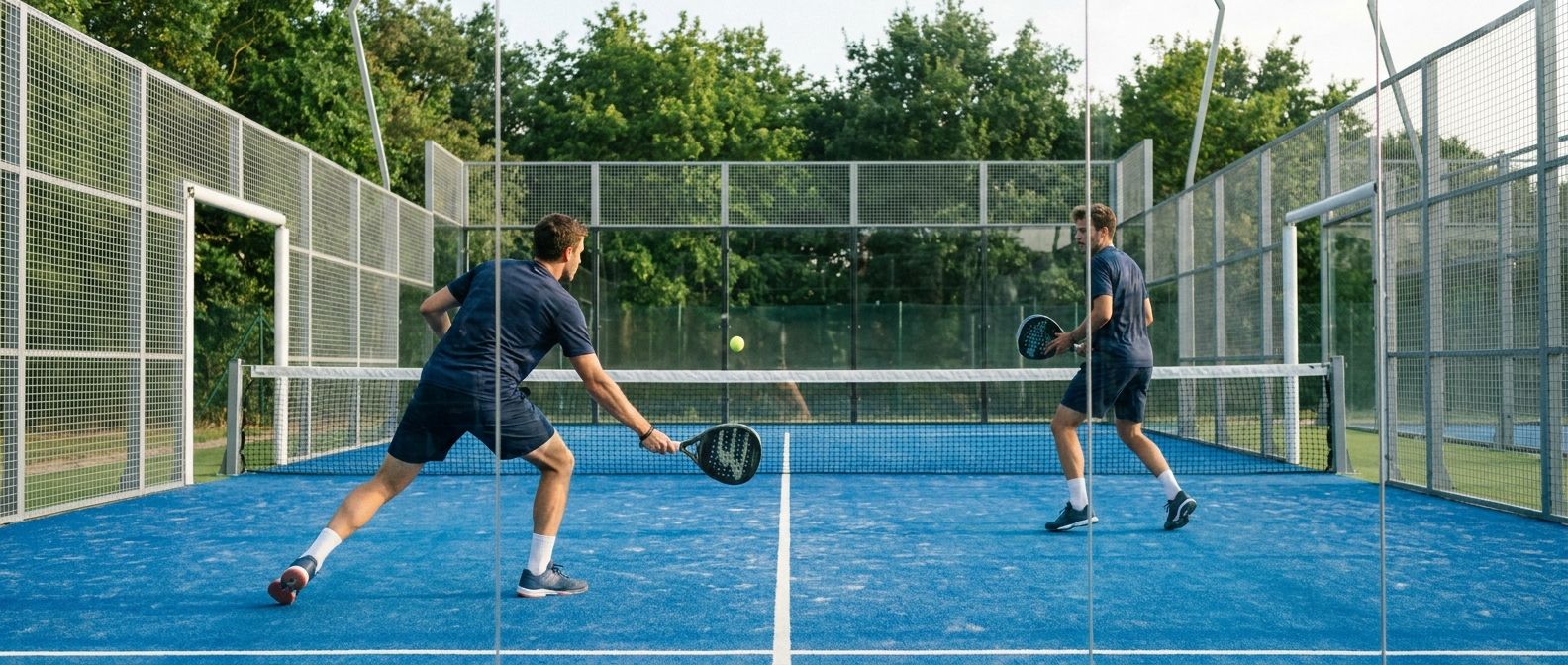
Most padel courts use artificial turf dressed with sand. That mix grips differently from hard tennis courts, clay, or gym flooring. The sand fills tread, the turf fibres grab the outsole, and sudden stops load the ankle sideways more than a jogging stride ever will.
Road-running shoes often fail here. Soft, tall midsoles feel great on pavement yet wobble when you brake hard. Knit uppers that stretch for comfort can collapse on a lateral cut. Even solid tennis shoes can be wrong if the sole is tuned for a surface you never play on.
Dedicated padel trainers — sometimes labelled as padel tennis shoes — keep the foot closer to the ground, wrap the midfoot, and use outsoles meant for artificial grass. That combination is what separates a confident open match from an evening of guessing where your foot will land.
Sole patterns that actually work on sand-filled turf
Start with the outsole. Deep clay herringbone can pack with sand and then skate. Glass-smooth indoor soles lack bite outdoors. Many of the best padel shoes use a medium-depth herringbone or a hybrid omni pattern that clears sand as you move and still bites on dry indoor turf.
If your home club is mostly indoor with light sand, a flatter omni sole can still be fine. If you play dusty outdoor courts every weekend, prioritise a pattern marketed for artificial grass or padel specifically. Match the shoe to the court you use most, not the holiday club you visit twice a year.
Rotate pairs when you can. Sand and grit grind rubber faster than clean hard courts. Once the forefoot pad is polished smooth, traction drops even if the upper still looks new.
Support, cushioning, and what stability really means
Stability in padel trainers is about holding the heel and midfoot when you plant off-balance — not about a rigid shank that fights every step. Look for a firm heel cup, reliable lacing or a midfoot strap system, and a midsole that resists twisting when you load the outer edge of the foot.
Cushioning still matters. Many indoor halls sit on concrete under the turf, and three sets of hard stops add up. Too much stack height slows your first step and raises the ankle; too little leaves calves and knees complaining by Sunday. Mid-level cushioning with a responsive forefoot is the usual sweet spot for club play.
If you use orthotics, choose a model with a removable insole and enough volume in the last. Bring the inserts to the shop, lace the shoe fully, and walk before you judge fit. A shoe that feels perfect with the stock footbed can feel cramped once your custom plate is in.
How the Head Motion Pro padel shoe fits the decision
The Head Motion Pro padel shoe sits in the performance lane many intermediate and advanced players compare. It is built around lateral stability and a court-focused outsole rather than lifestyle styling. Players who want a locked midfoot often prefer this kind of silhouette over soft knit runners.
That does not make it automatic best-in-class for every foot. Narrow heels may love the lockdown; wider forefeet may need a half size up or another last. If a shop lets you try pairs on a hard floor, do a side shuffle, a plant-and-cut, and a short sprint before you decide.
Treat any single model as one data point. The best shoes for padel are the ones that match your surface, your foot shape, and how aggressively you move at the net — whether that is a Head model or another specialist court shoe.
Fit checklist before you pay
Measure both feet late in the day. Wear the socks you play in. Leave roughly a thumb of space at the toe so hard stops do not jam your nails into the front of the shoe. The heel should stay put when you sprint forward; lift means blisters later.
Walk, shuffle, and plant sideways in the aisle. If the upper creases hard over the midfoot, if your little toe burns, or if the collar rubs the Achilles, keep looking. A colourway will not fix a bad last.
Women's and men's lasts differ more than marketing admits. If the men's size that matches your length feels wide or narrow in the wrong places, try the other last rather than forcing a compromise with thicker socks.
Budget, lifespan, and when to upgrade
You do not need the most expensive pair on the wall for your first months. Many solid padel tennis shoes in the mid range last a season of twice-weekly play if you let them dry between sessions and avoid wearing them as daily trainers. Entry models are fine while you learn footwork; upgrade when soft foam and loose uppers start holding you back.
Watch for wear signals: polished rubber under the ball of the foot, a midsole that feels dead, or an upper that no longer holds the heel. Worn padel trainers are a common reason "sudden" ankle rolls appear mid-season even though your technique has not changed.
Cross-shopping brands is normal. Some players match racket and shoes; others mix freely. Grip and support matter more than a matching bag. If you are still dialling in technique, pair decent footwear with a forgiving frame rather than chasing power you cannot yet control.
Our guide to choosing a beginner racket sits alongside this article and helps you avoid buying a stiff, advanced shape too early.
Once the shoes are sorted, the other half of a calm session is booking without surprises. The checklist on court booking tools for padel is worth a skim before you commit to a club widget or marketplace app.
Indoor versus outdoor pairs, and when two shoes beat one
Players who split time between a sandy outdoor club and a cleaner indoor hall sometimes keep two pairs. The outdoor pair takes the grit; the indoor pair stays grippy for evening leagues. That habit costs more upfront and often saves money because neither sole dies as fast.
If you only buy one pair, choose for your primary surface and accept that you will replace it sooner if you also abuse it as a casual sneaker. Court rubber is not lifestyle foam. Walking city miles in your match shoes shortens the life you paid for.
Socks, lacing, and small adjustments that change the feel
A padded athletic sock with a stable heel tab reduces slip inside the shoe. Super-thin fashion socks look sleek and then blister. Lace to the top eyelet for match play; loosen one row only if you have a high instep and the top of the foot goes numb.
After wet outdoor sessions, pull the insoles, open the tongue, and let the shoes dry at room temperature. Heaters and radiators cook glue and midsoles. Sand left in the mesh acts like sandpaper on your socks the next time out.
Quick buying summary
Prioritise a sand-friendly outsole, a stable heel, and a secure midfoot. Test lateral moves before you buy. Consider the Head Motion Pro padel shoe if you want a performance court last — but only after the fit proves itself under your foot, not in a product photo.
The best padel shoes are the pair that disappears during the point so you can watch the ball. Treat footwear as gear, rotate when the tread goes, and your next open match will feel cleaner from the first serve.