Padel did not stay a quiet club sport for long. Courts filled, leagues formed, and the wall of logos behind every glass cage got thicker. Among those logos, Adidas is one of the easiest to spot — on shoes, bags, apparel and a growing line of rackets.
For players, that presence feels like proof the sport is “real.” For anyone who also thinks about money, it raises a quieter question: what does a big sport brand’s involvement actually mean for how you spend, and how you read the business story?
This piece is for club players and curious buyers who want a clear view of brand money without the hype. It is not investment advice. It is a practical look at how sportswear brands make money from padel, where Adidas fits, and how to keep your own budget honest while the marketing gets louder.
Why sport brands care about padel
Padel sits in a sweet spot for brands. It is social, easy to start, and played in clothes that look good off court. A brand can sell a racket, a shoe, a shirt and a bag to the same person in one season. That is a denser basket than many sports offer.
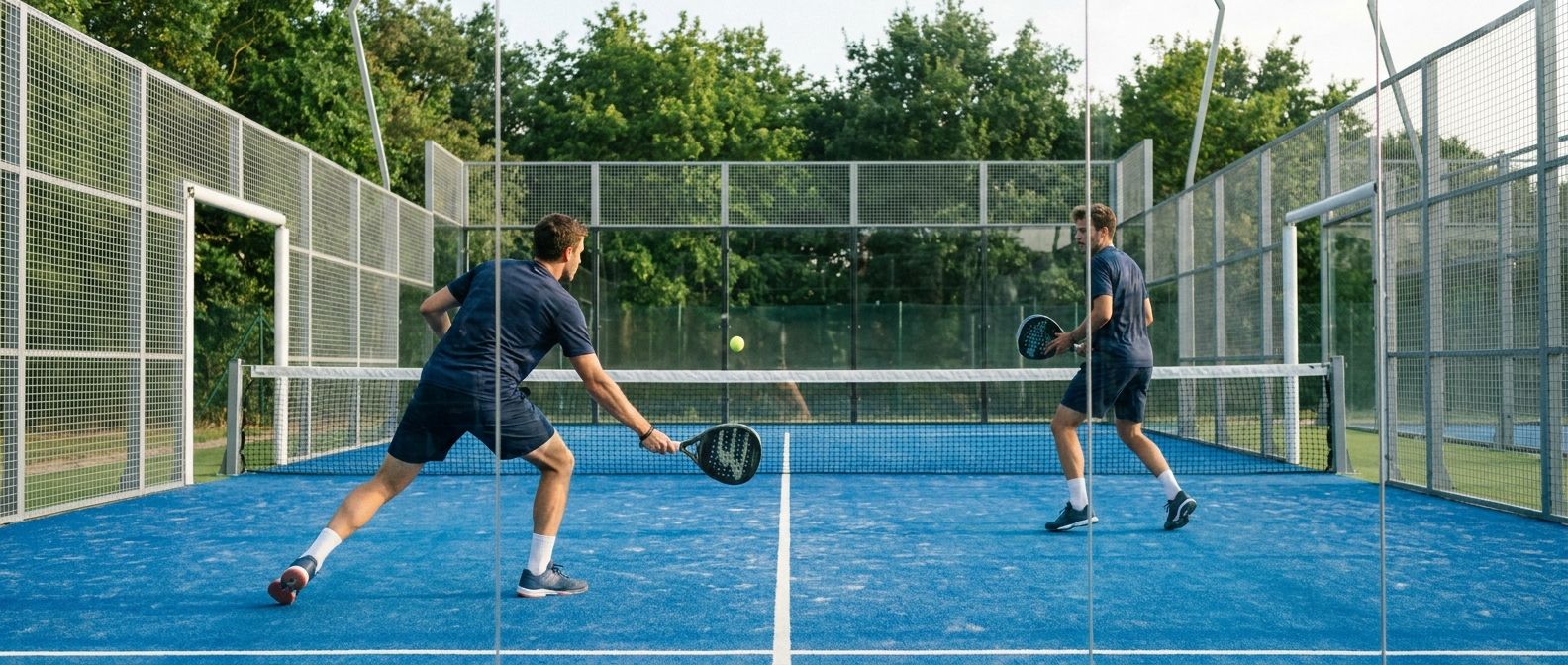
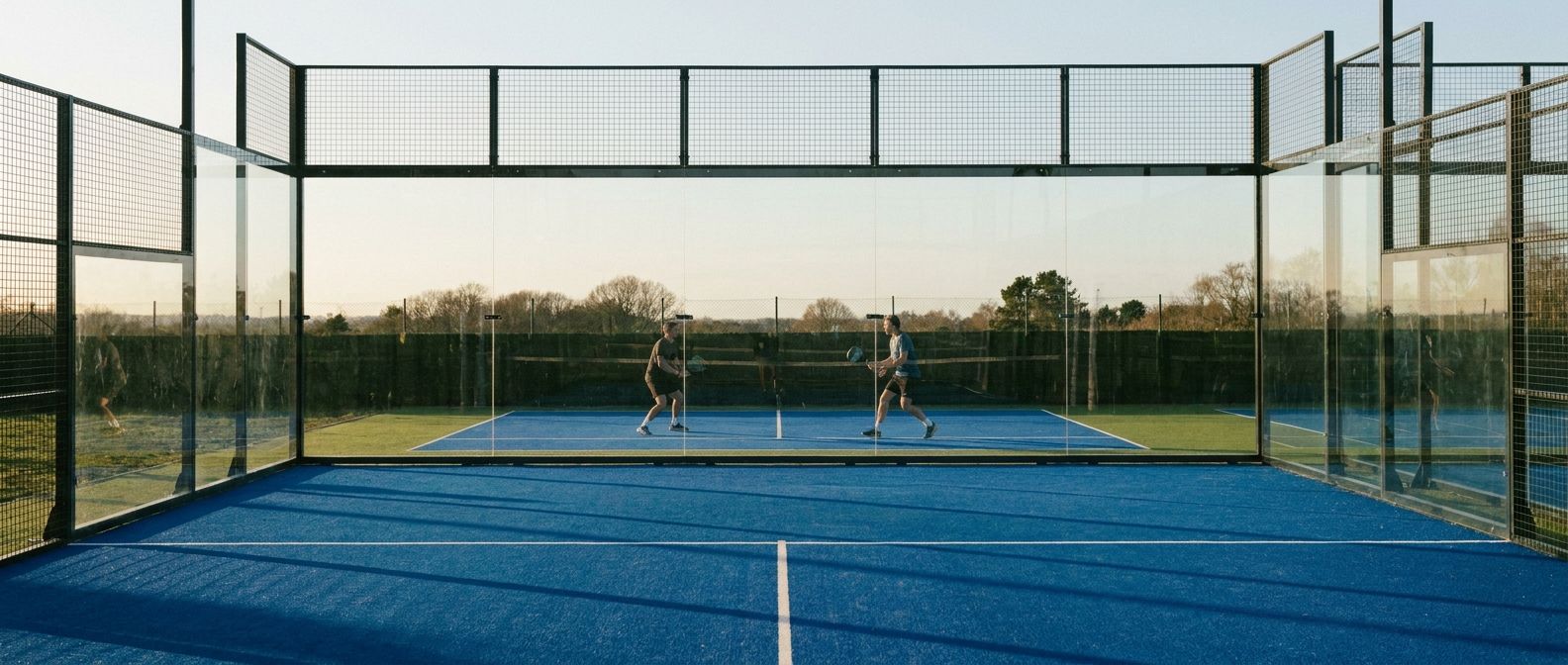
Courts are also highly visible. Glass walls turn every match into a small billboard. Sponsors like that. Clubs like it when a known brand stocks the shop. Players like gear that feels familiar from football or running. The loop feeds itself.
Still, popularity is not the same as profit for every product line. A brand can push hard on padel and still earn most of its money elsewhere. That gap matters when headlines treat every racket launch as a stock story.
Adidas on court: more than a logo
Adidas entered padel with the full toolkit: rackets across shapes and balances, shoes built for artificial turf grip, apparel that moves from warm-up to café, and partnerships that put the three stripes on tournament boards.
For many players, the first Adidas touch is not a racket at all — it is a pair of adidas padel shoes that feel like training shoes with better lateral hold.
That shoe door matters. Footwear is where habits form. Once the brand sits on your feet three nights a week, the bag and the shirt feel like natural next steps. Rackets follow when you outgrow a rental frame. The brand does not need you to buy everything on day one. It needs you to trust the name when you are ready.
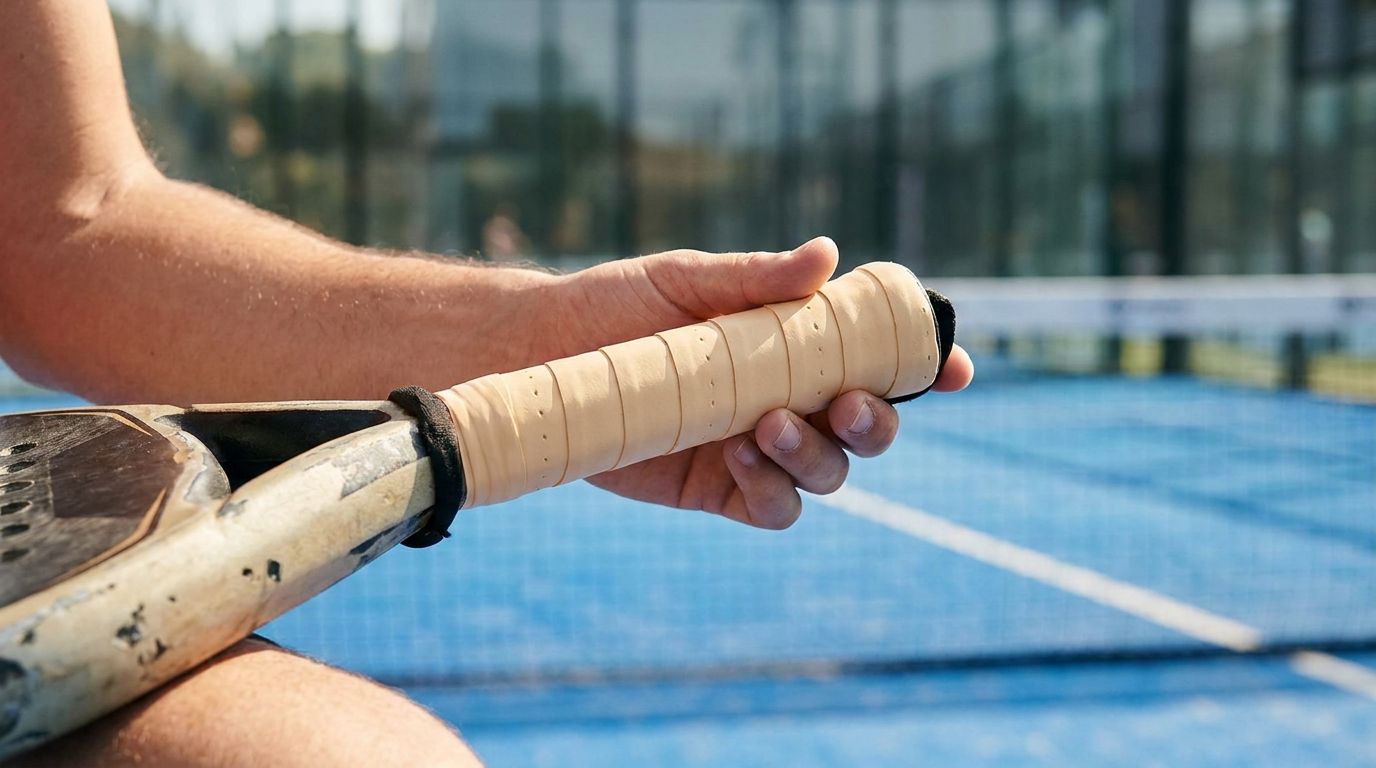
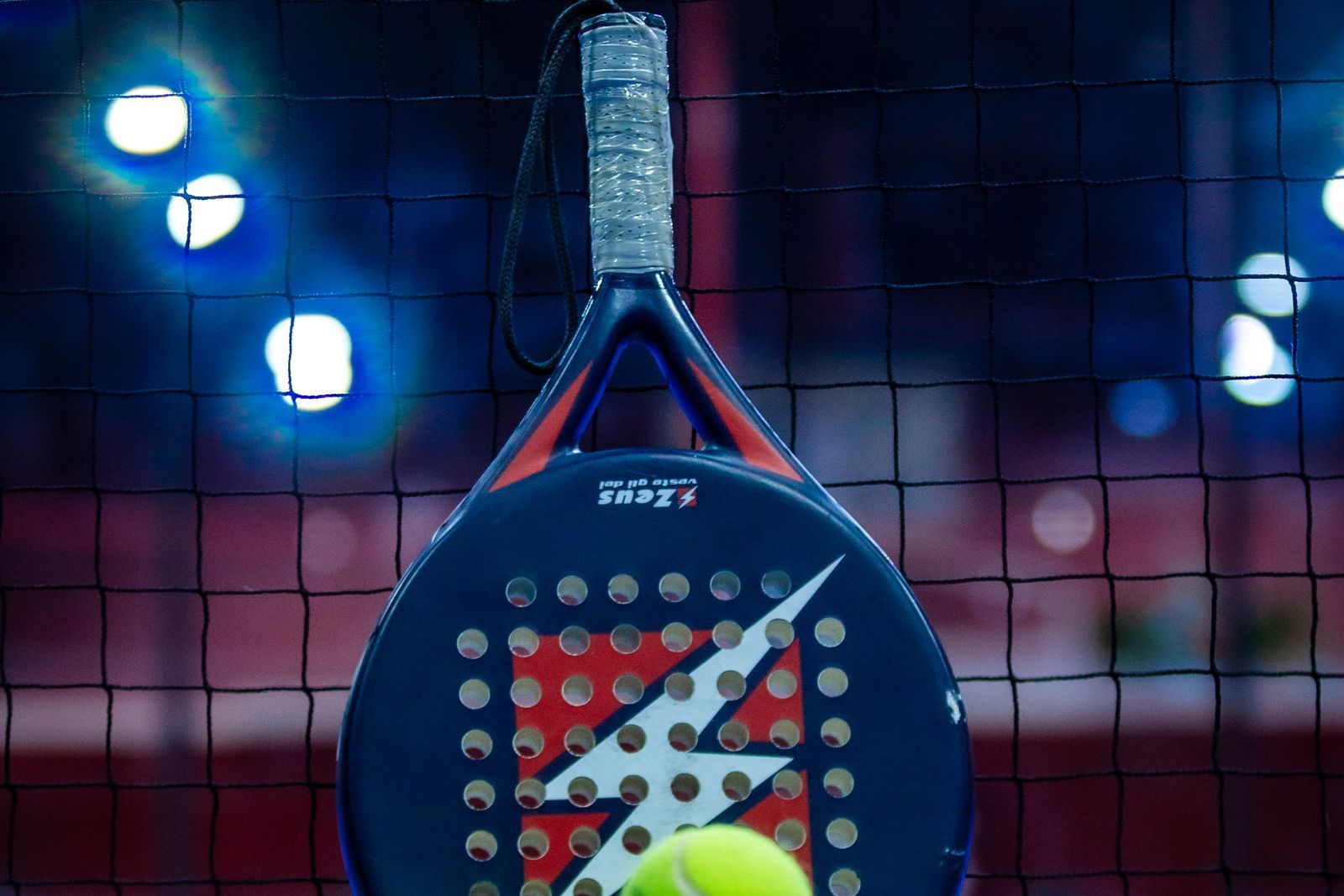
Engineering talk on racket pages — carbon layers, EVA foams, balance points — serves the same trust job. It tells intermediate players the company takes the sport seriously. Beginners mostly hear a familiar logo. Both audiences matter to the commercial plan.
Where the money actually moves
Follow the cash on a typical club night and you see several streams. Court hire or membership fees go to the club. Coaching is separate. Retail sits in the middle: grips, overgrips, balls, shoes, apparel, then rackets. Online shops compete with the club counter. Tournament fees and travel sit on top for competitive players.
Brands make money when you buy product, when clubs stock their lines, and when sponsorship rights sell visibility. They do not make money from your court booking itself. Mixing those buckets is how people overestimate what a logo on the glass “means” for a company’s results.
A useful habit is to separate three questions. What am I spending this month to play? What am I buying that I will still use in a year? What am I reading about a listed brand that has nothing to do with tonight’s match? Keeping those apart stops a product launch from feeling like a personal finance decision.
Reading brand news without getting sold
Sportswear groups publish results at group level. Football, running, lifestyle and racket sports share the same annual report. A padel campaign can be strategically smart and still small in the revenue mix. When a press release mentions category growth, ask whether the company broke out the numbers or only the story.
Price tags in the shop are clearer. A mid-range racket, a pair of padel shoes and a few overgrips add up fast if you refresh them every season. Brands know replacement cycles. Soft cores wear. Shoes lose grip. Overgrips are almost a subscription. That is normal. It is also why a calm monthly budget beats impulse upgrades after every lost match.
If you want a neutral place to stress-test household numbers before a heavier gear season, a clear loan calculator on Finans & Lån helps you see instalments beside leisure spending — without a salesperson in the interface.
Adidas stock headlines versus club spending
Online, Adidas and padel often appear in the same sentence as market news. That is fine as curiosity. It is a poor reason to stretch a card balance for a new frame. Owning a share and buying a racket are different acts. One is ownership with price risk. The other is consumption you feel underfoot.
A sober reading of adidas stock coverage starts with scale. Market cap reflects the whole group, not one sport. Brand momentum, wholesale, direct-to-consumer sales and currency effects usually matter more than a single racket line. Use company reports for figures. Use your bank balance for gear.
Household cash flow remains the first filter. Court fees, travel to tournaments and kids’ slots can outweigh any logo story. If the mortgage or rent already crowds the month, a brand partnership does not create room — it only creates desire.
Practical buying without brand fog
Start with fit and frequency. If you play once a week, a forgiving racket and durable shoes beat a pro mould you cannot control. If you play four times a week, mid-tier shoes with fresh grip matter more than another shirt.
Try shoes on court when you can. Lateral stops punish soft lifestyle soles. Look for outsoles meant for sand-filled turf, and a fit that locks the midfoot without crushing toes. Replace shoes when the outer grip is gone, not when the colourway looks old.
For rackets, weight and balance beat marketing names. Demo before you buy if the club allows it. Keep receipts and warranty details. Avoid “limited drop” pressure that expires while you are still learning to hit the glass.
Buy consumables in small batches. Overgrips and balls are cheap individually and expensive when you panic-order before league night. A small stock at home costs less than courier fees.
Clubs, sponsors and what players should notice
When a club signs a brand partner, ask what changes for members. Better demo stock is useful. Exclusive pricing can be useful. Pressure to buy only one brand is not. A healthy club shop carries options and explains differences without shame.
Tournament sponsorship pays for courts, live streams and prize money. That is good for the sport. It does not obligate you to every product on the banner. Cheer for the event. Buy for your game.
Watch for upsells that blur booking and retail — a court slot that redirects to an unfamiliar checkout for “mandatory” gear. Pause. Confirm who receives the money and whether the club stands behind the sale.
A calm way to enjoy the boom
Padel’s brand era is not a problem. Visible companies bring better product, clearer sizing and more courts. The risk is emotional spending dressed up as “investment in the game,” or reading every logo as a stock tip.
Keep a simple monthly line for play: courts, travel, consumables, one planned gear upgrade when needed. Let Adidas and other brands compete for that line with quality and fit. Leave market stories in the reading pile, separate from the shopping cart.
The sport is better when the glass is full and the gear works. Your finances stay better when the brand money story never quietly becomes your money story.