The Explosive Growth of Padel in Scandinavia: 2024 Year in Review
The padel revolution in Scandinavia shows no signs of slowing down. As we enter 2025, the numbers from the past year paint a remarkable picture of growth, community building, and sport development across the Nordic region.
Record-Breaking Growth Numbers
Court Expansion Across the Region
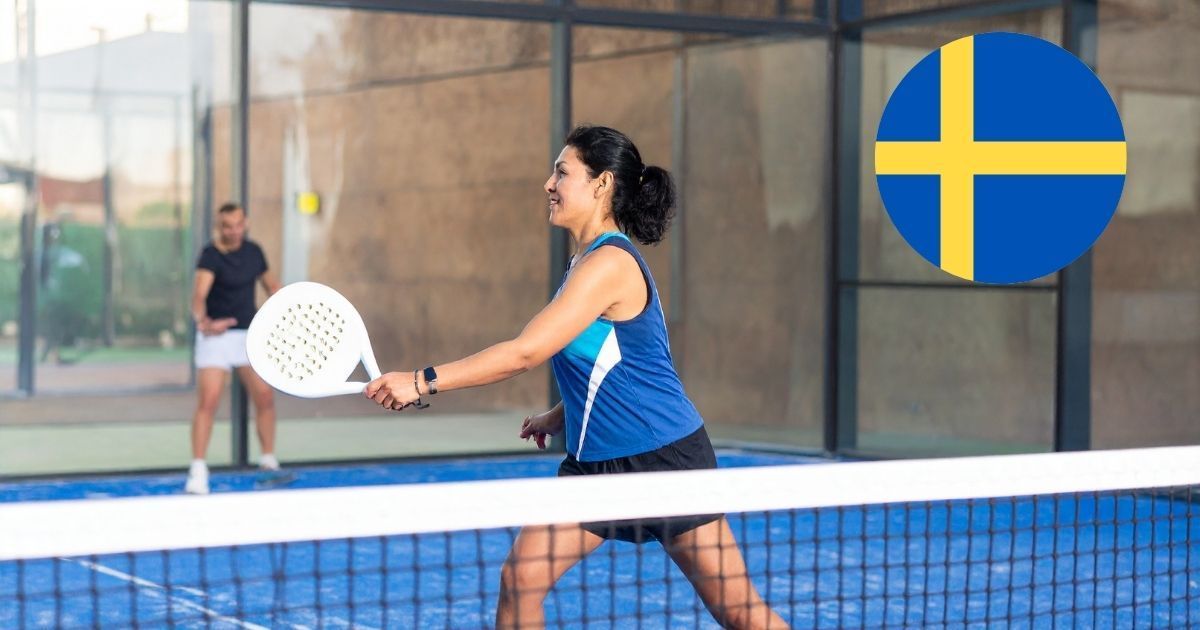
Sweden continues to lead the Nordic padel scene:
- 450+ courts now operational (up from 320 in 2023)
- 40% year-over-year growth
- Stockholm and Göteborg driving expansion
Norway shows impressive momentum:
- 180+ courts (doubled from 90 in 2023)
- Oslo region accounts for 60% of new installations
- Growing interest in northern regions
Finland and Denmark emerging markets:
- Finland: 85 courts (triple growth from 2023)
- Denmark: 75 courts (150% increase)
- Strong urban concentration in Helsinki and Copenhagen
Key Trends Shaping Nordic Padel
1. Indoor Court Dominance
Given the Nordic climate, 87% of new courts built in 2024 were indoor facilities, enabling year-round play and consistent revenue for operators.2. Corporate Investment Surge
Major sports facility companies invested heavily in padel infrastructure, with several chains announcing expansion plans for 2025.3. Youth Participation Growth
Junior programs saw 65% participation increase, with schools and sports clubs incorporating padel into their offerings.4. Technology Integration
Nordic efficiency meets padel: advanced booking systems, automated court lighting, and digital payment solutions becoming standard.Player Demographics Insights
The typical Nordic padel player profile has evolved:
- Age Range: 25-45 years (65% of players)
- Gender Split: 58% male, 42% female (gap narrowing)
- Experience Level: 70% beginners to intermediate
- Playing Frequency: 2-3 times per week average
Economic Impact
The padel boom generated significant economic activity:
- €45M invested in court construction
- 2,800 jobs created (direct and indirect)
- €12M in equipment sales
- Growing sports tourism between Nordic countries
Challenges and Opportunities
Current Challenges
- Court Availability: Peak time bookings still challenging in major cities
- Seasonal Demand: Summer outdoor play creates capacity issues
- Instructor Shortage: Growing demand for qualified coaches
2025 Opportunities
- Suburban Expansion: Moving beyond city centers
- Corporate Facilities: Companies building internal courts
- Tournament Circuit: Regional competition structure development
Looking Ahead: 2025 Predictions
Based on current trends, we forecast:
1. 30% additional growth in total court numbers 2. Estonia and Lithuania joining the expansion wave 3. First Nordic Padel Championship organization 4. Professional circuit development in the region 5. Youth league establishment across countries
The Community Factor
What makes Nordic padel special isn't just the numbers—it's the community spirit. Players report high satisfaction with:
- Welcoming environment for new players
- Strong club culture and social events
- Cross-border friendships through the sport
- Family-friendly facilities and programs
Conclusion
Padel's growth in Scandinavia represents more than just sport expansion—it's a cultural phenomenon bringing communities together through a shared passion. The combination of Nordic efficiency, community values, and love for active lifestyles creates the perfect environment for padel to thrive.
As we track this continued growth on PadelMap.NET, we're excited to see how the sport evolves across the region in 2025 and beyond.
---
Data compiled from national sports federations, facility operators, and PadelMap.NET court database. Want to contribute data or insights? Contact our research team.