New courts & features every week 🚀 | Missing a court? Email hello@padelmap.net
#4 in Europe · Madrid, Spain
Estadio Santiago Bernabeu
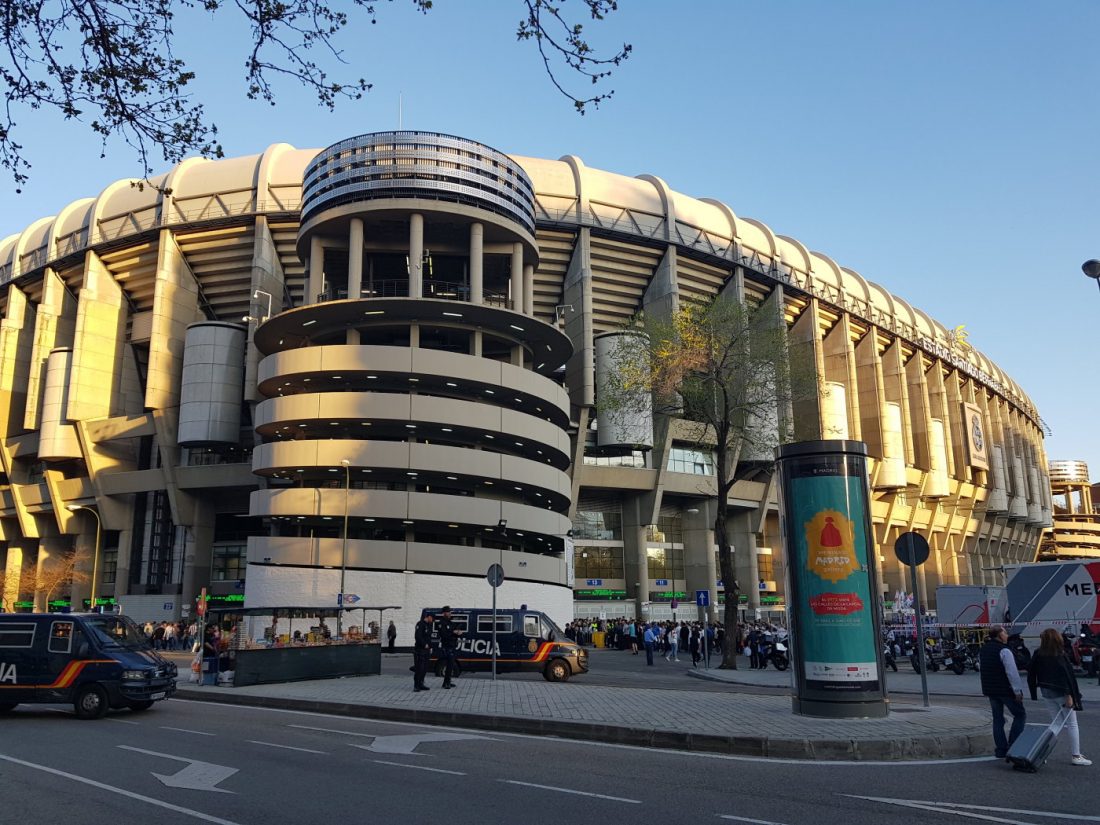
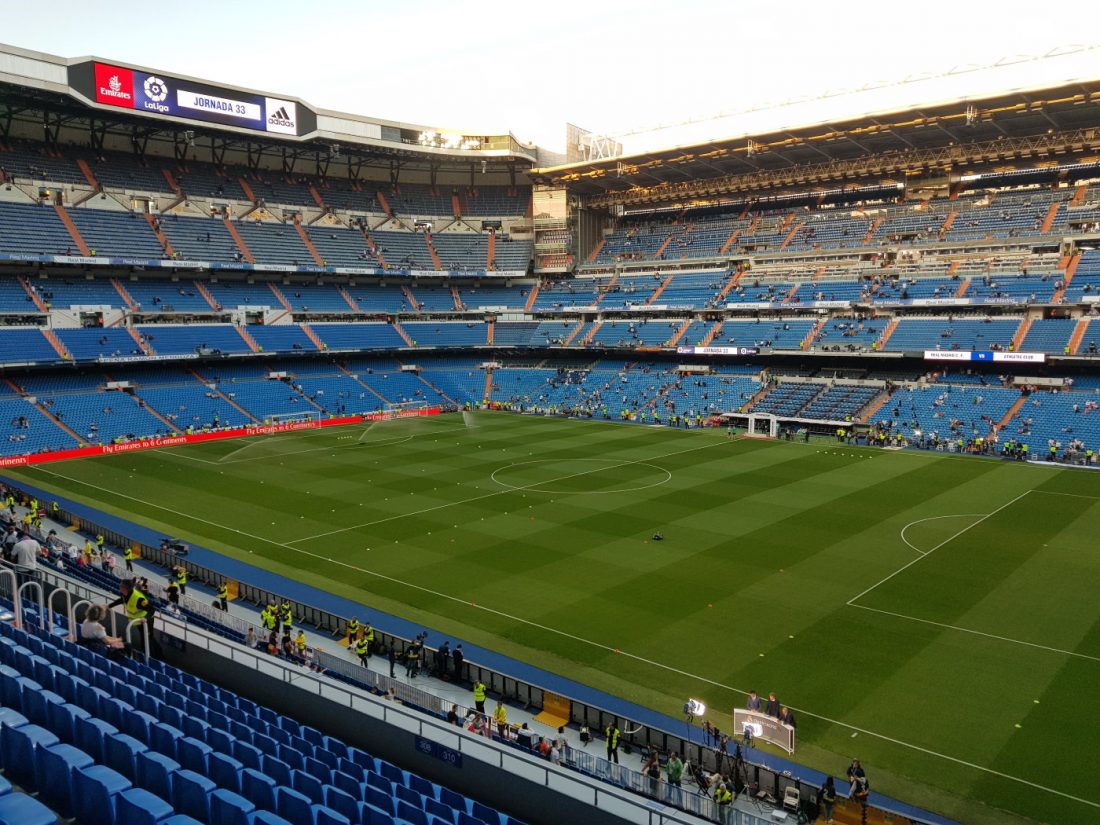
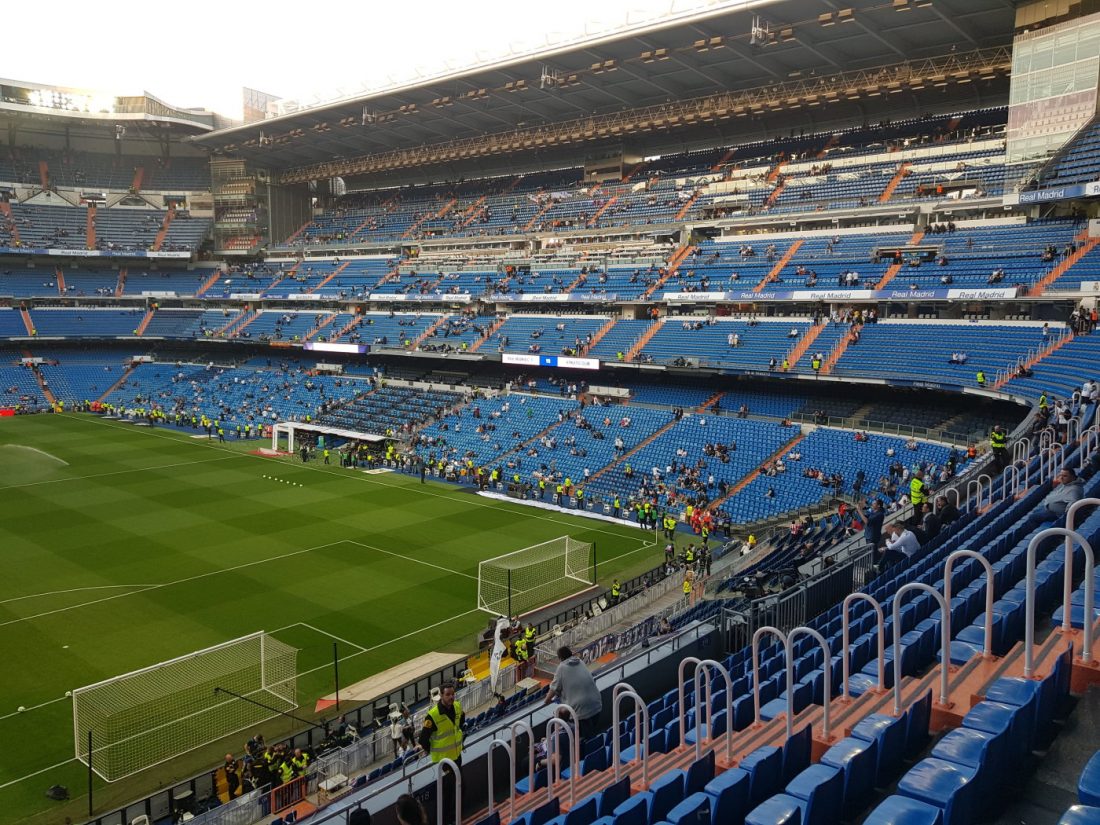
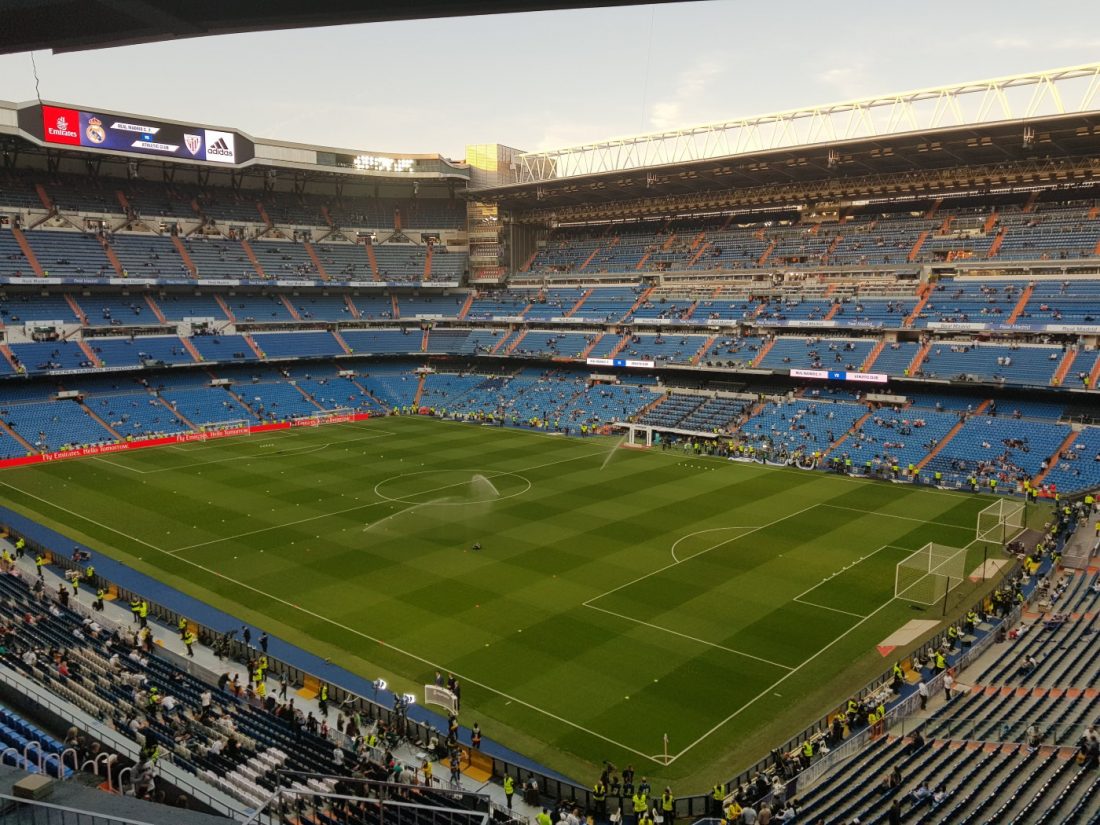
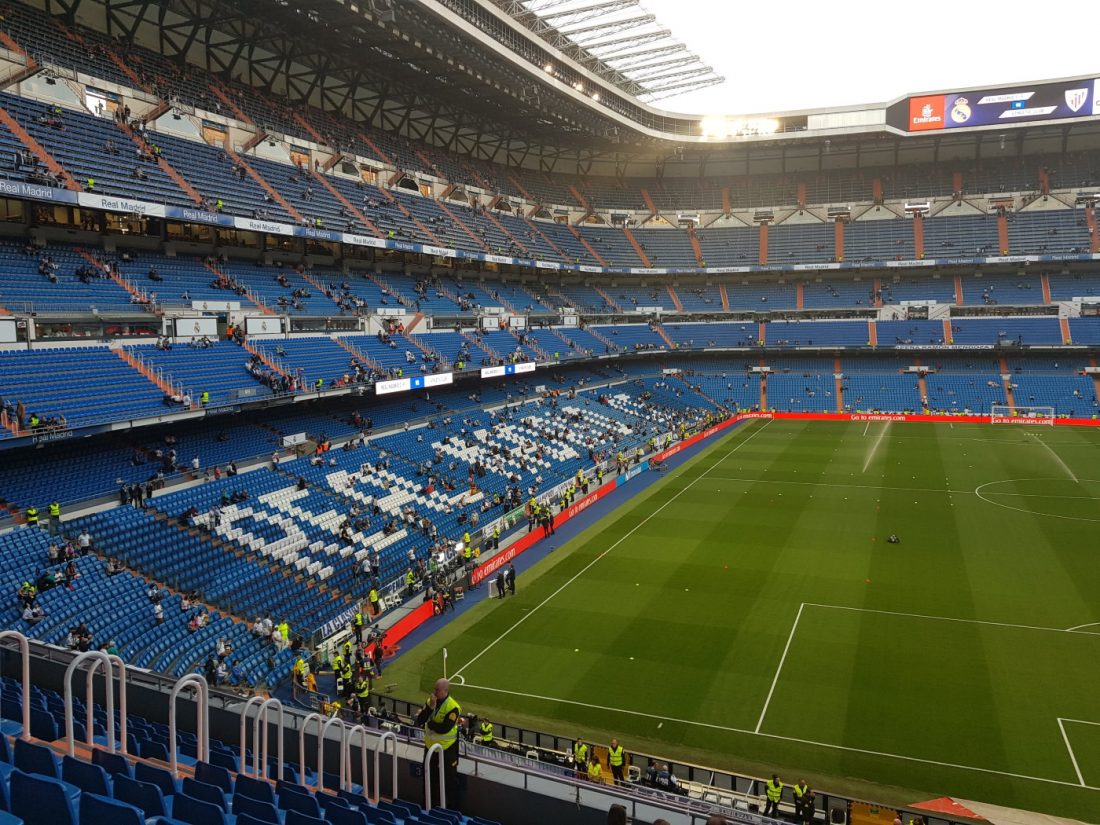
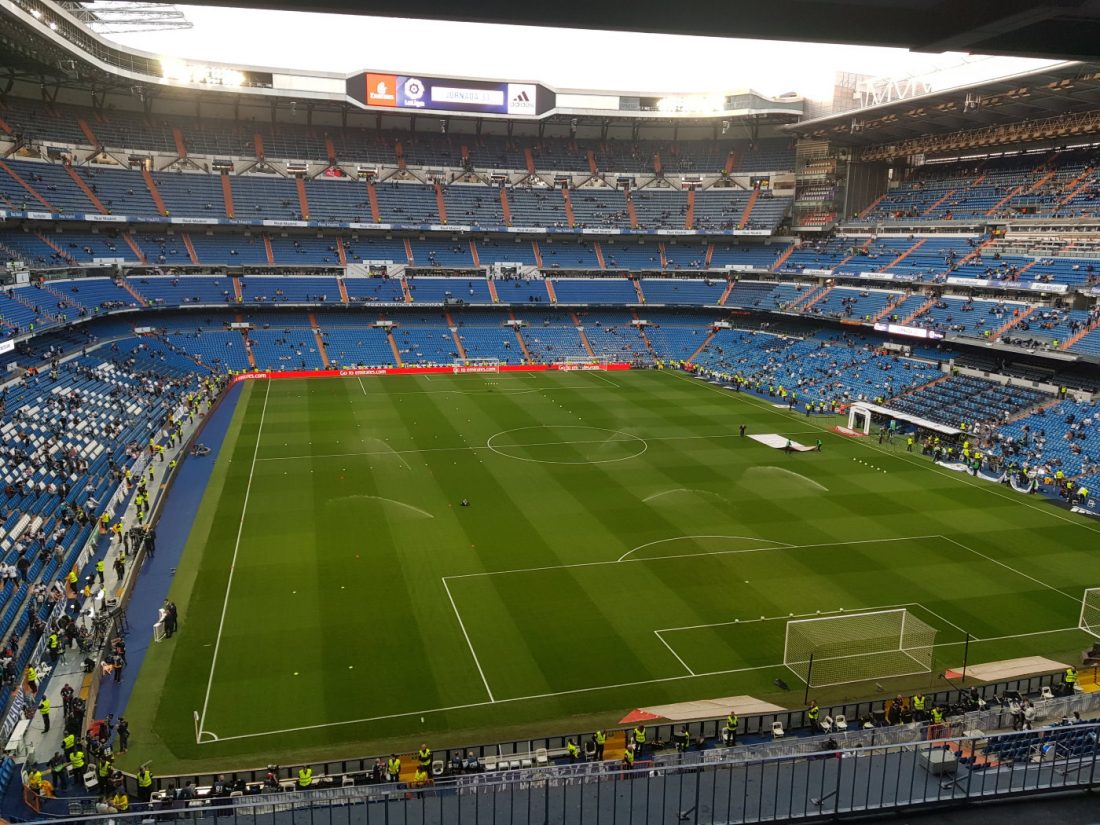
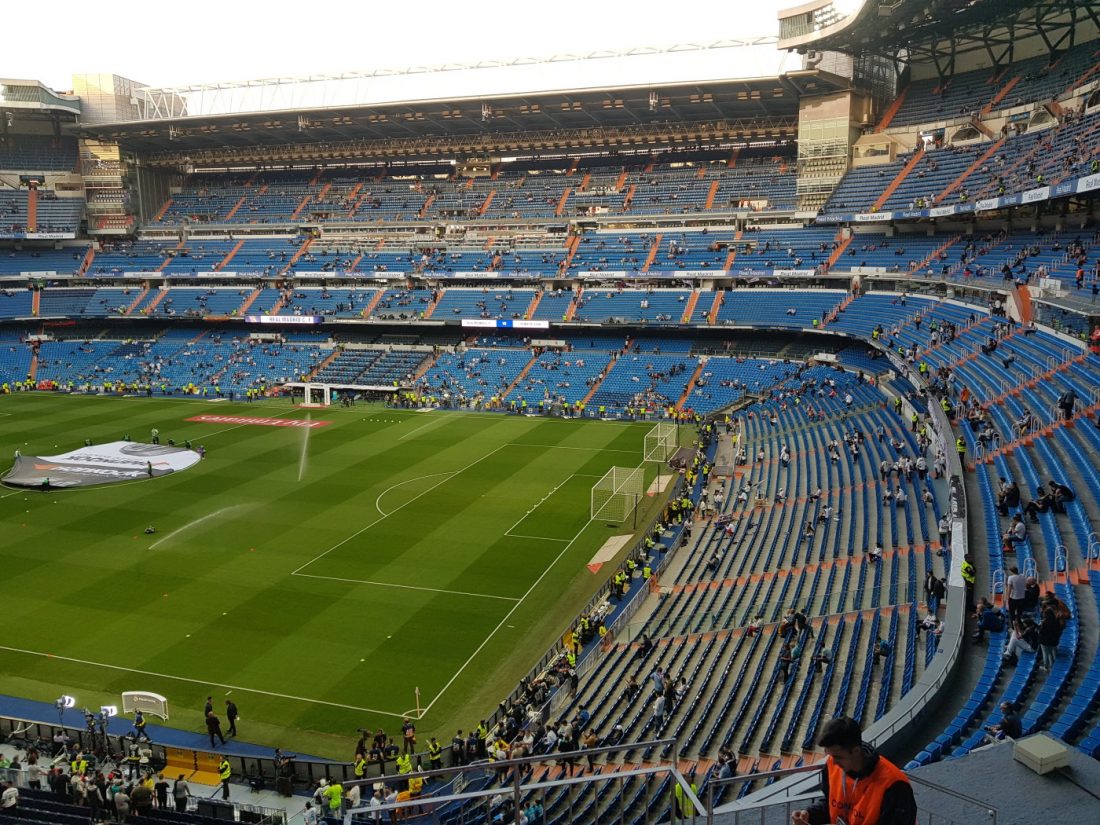
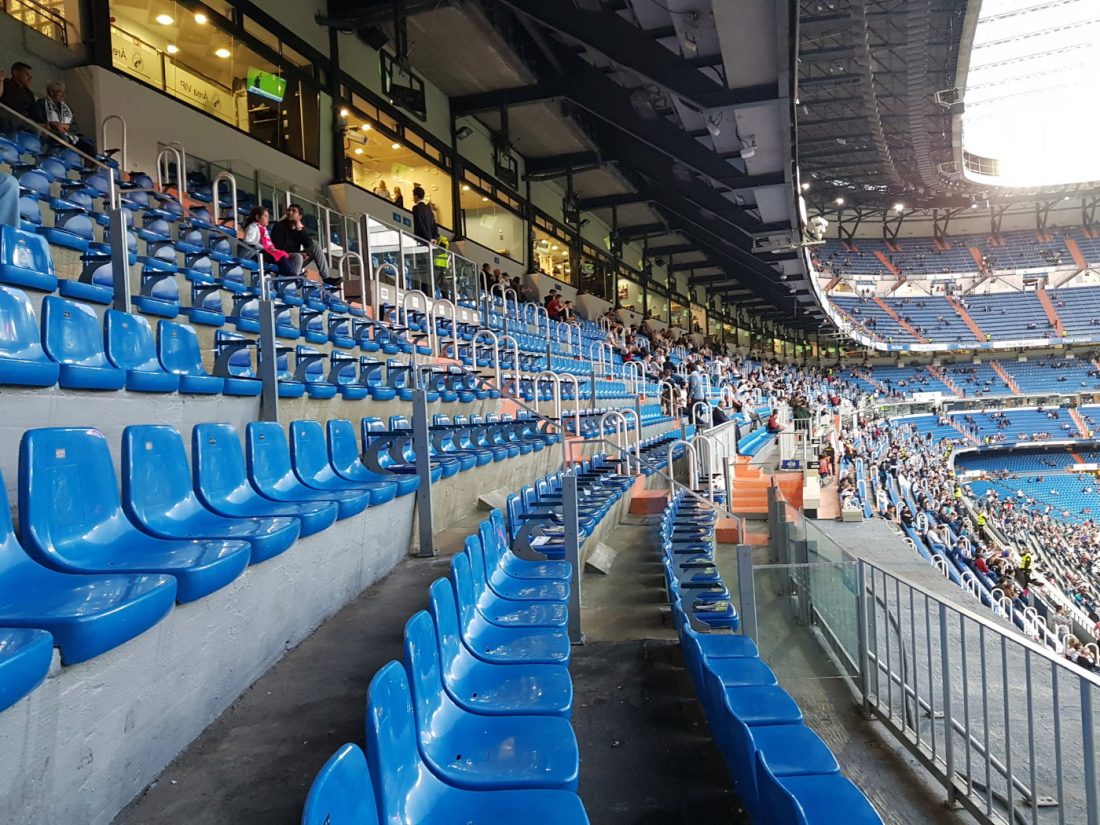
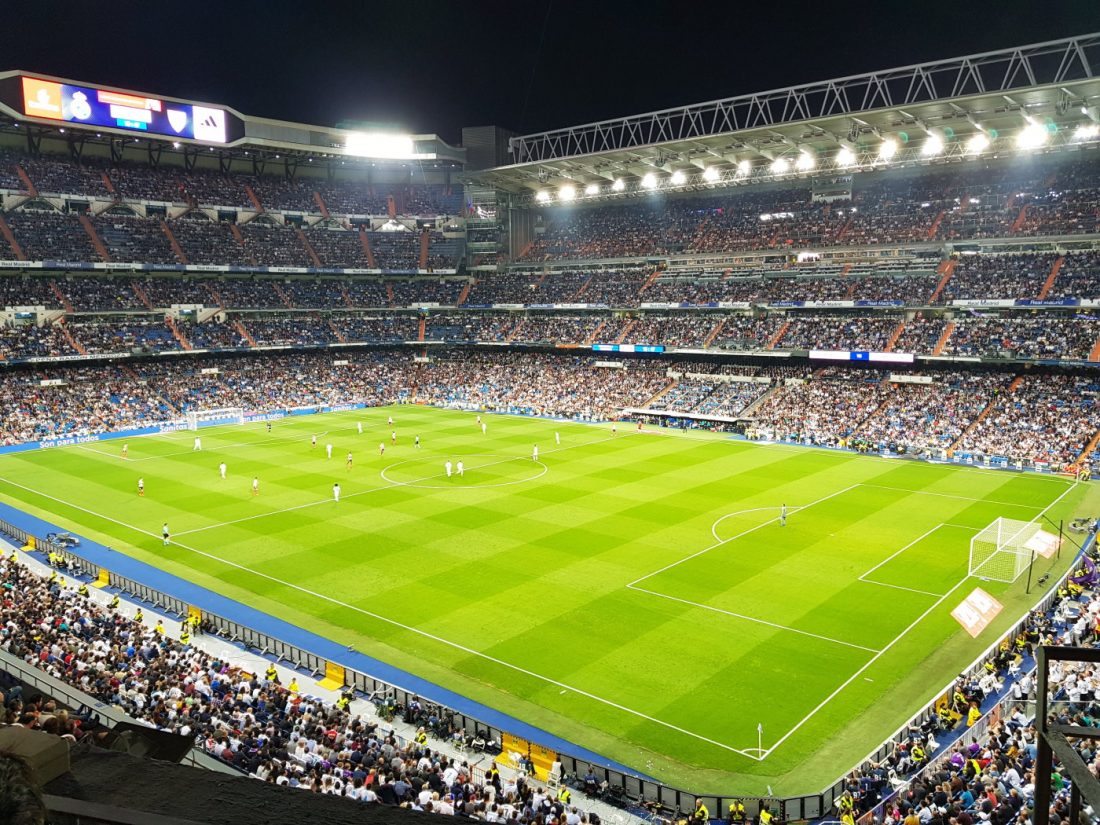
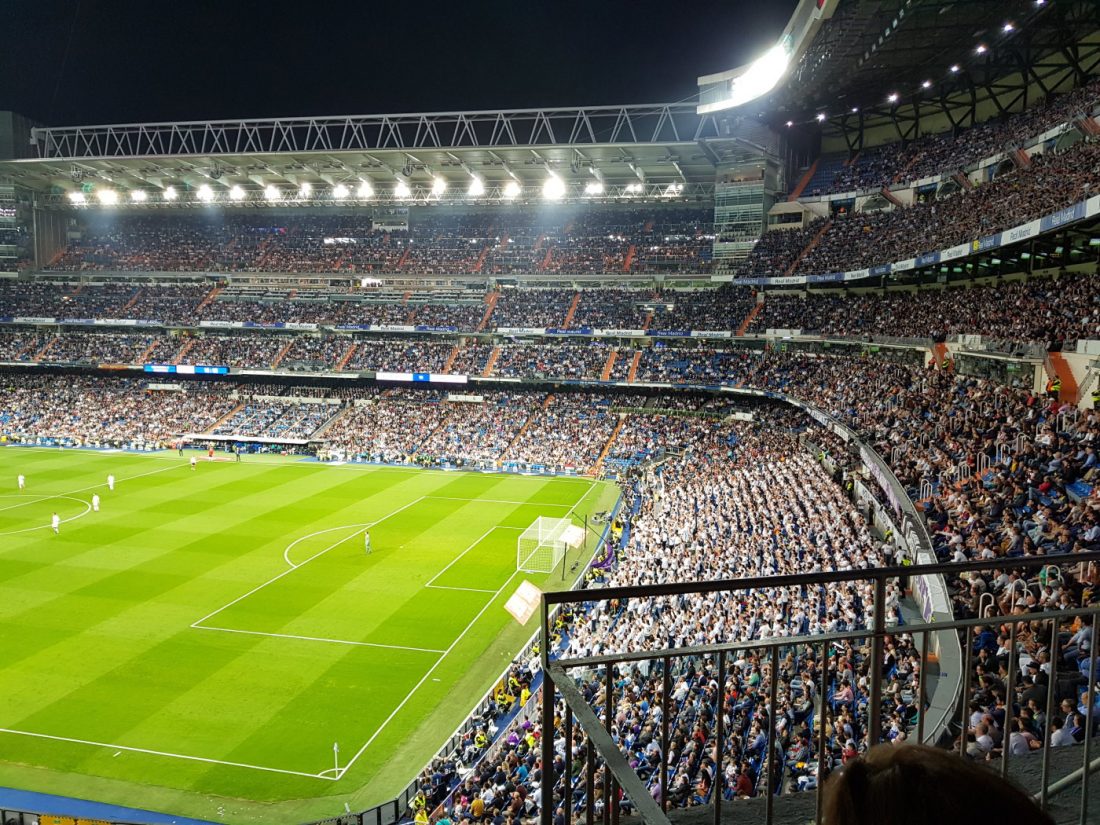
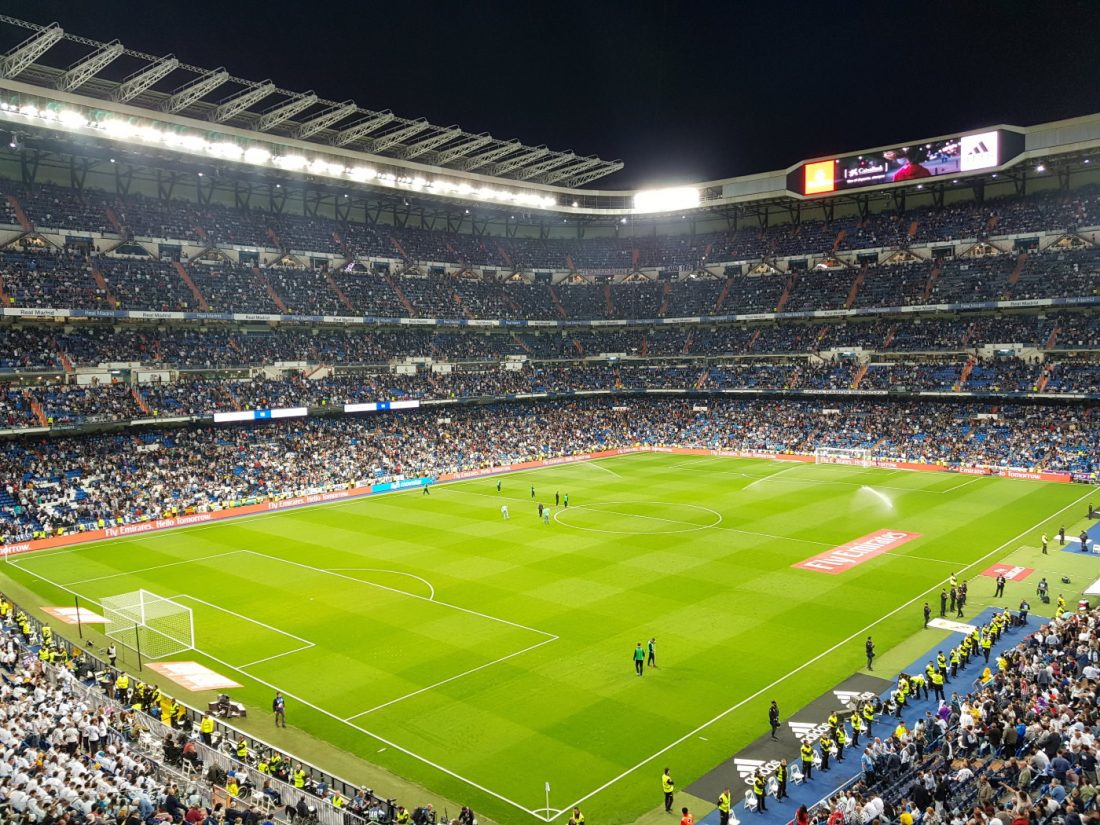
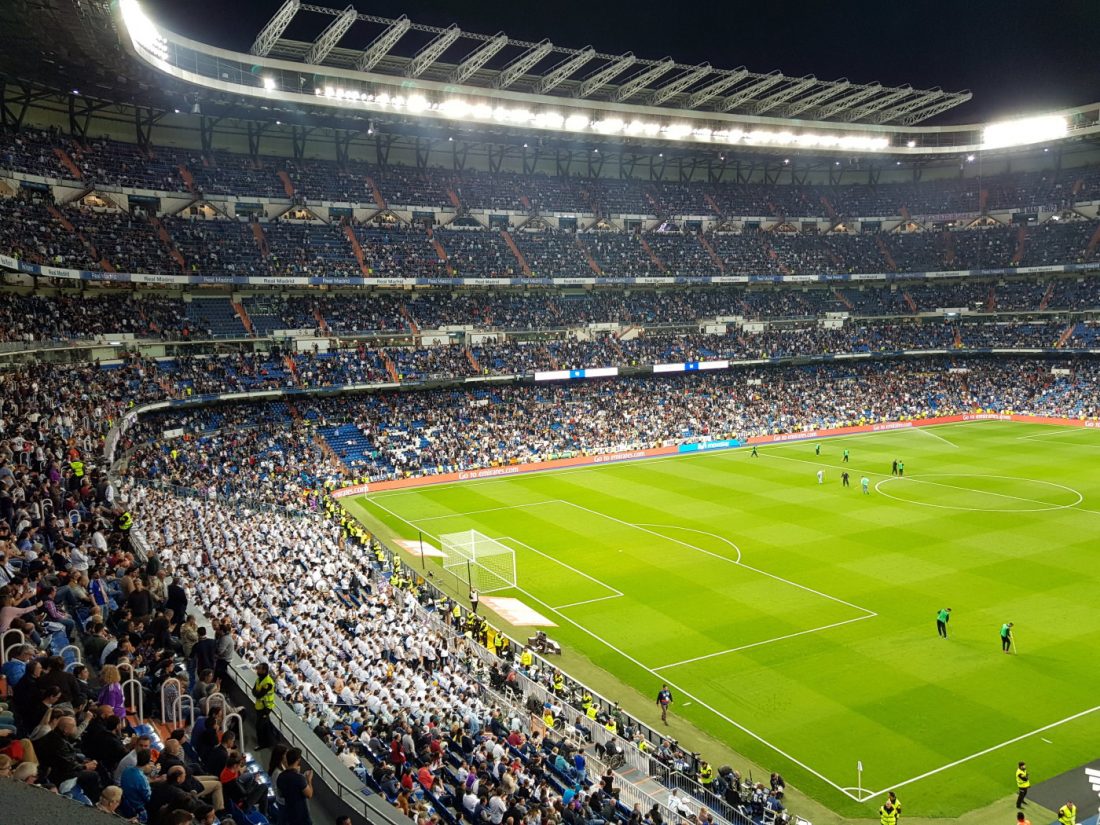
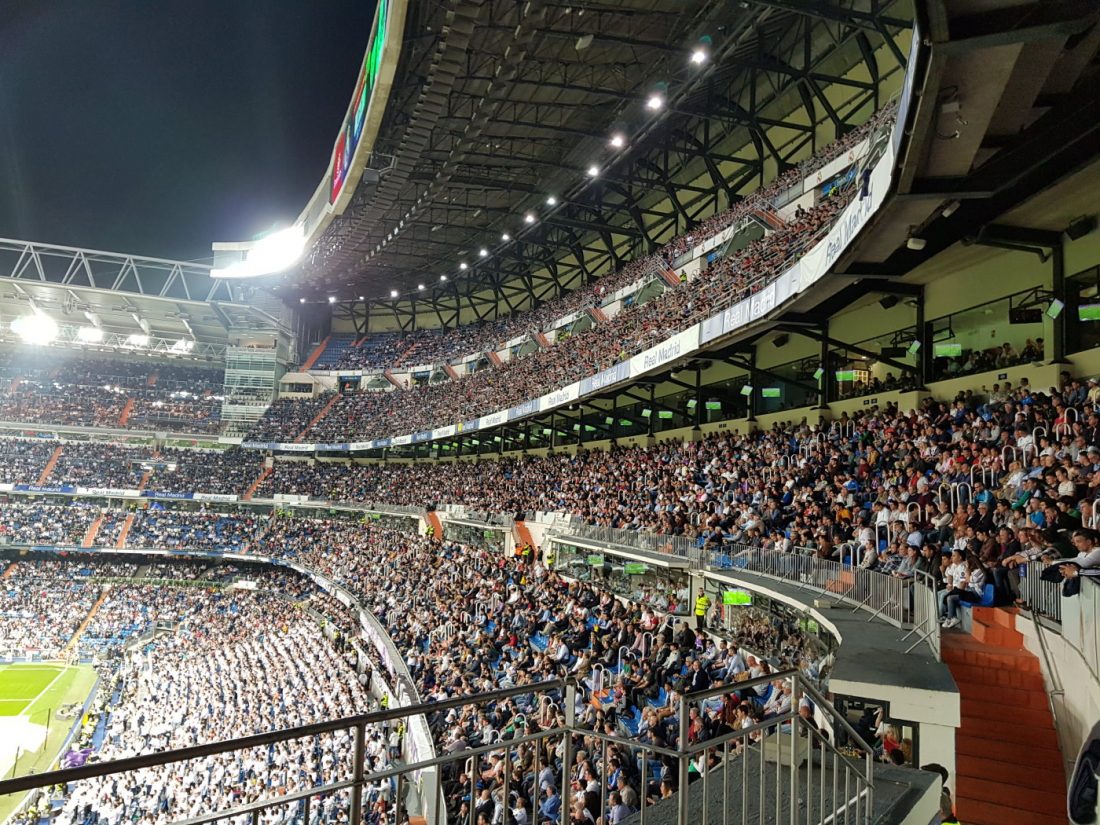
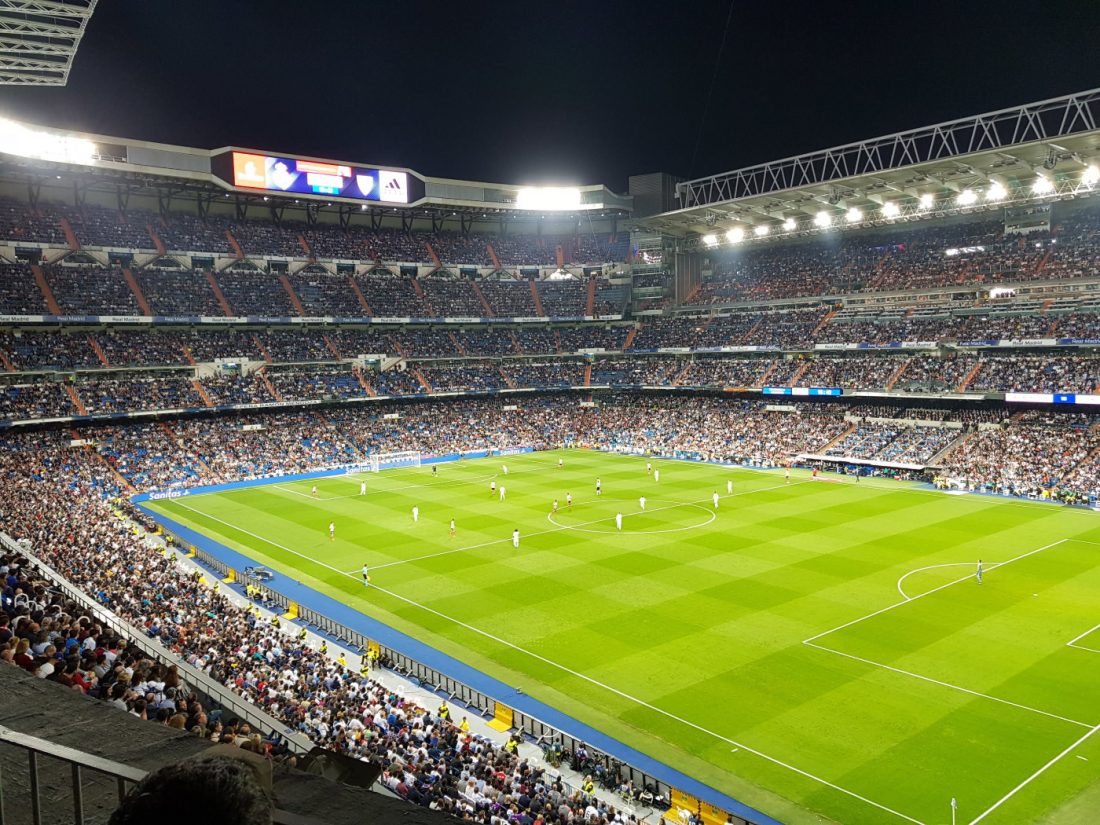
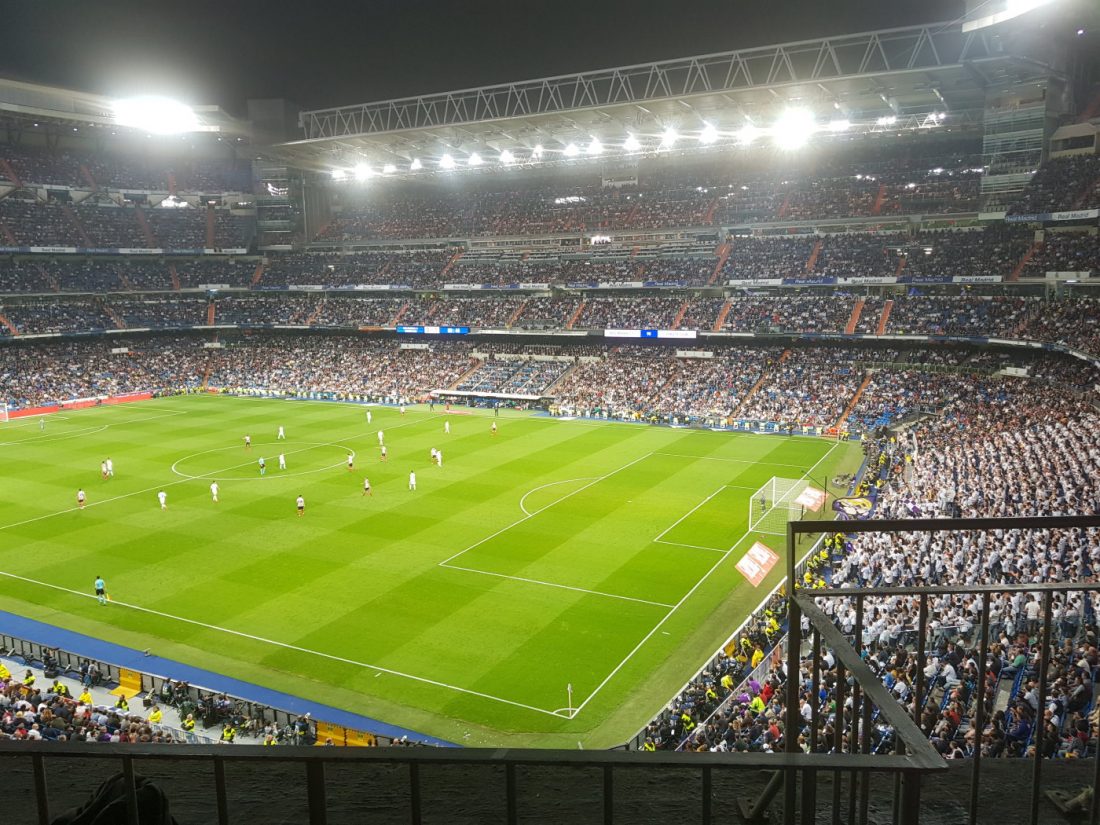
In the early parts of the 20th century, Real Madrid first played at Campo De O'Donnell, and then moved to the larger Campo de Chamartín in 1924.
In 1943, Chamartin had already become too small again, and club-president Santiago Bernabéu decided that Madrid needed a new and contemporary 100,000-stadium.
This new arena got built at the same site of Campo de Chamartín. Construction began in 1945, and on the 14th of December 1947 Estadio Santiago Bernabéu was formally inaugurated with a match against Portuguese champions OS Belenenses (3-1).
The ground was initially still called Nuevo Estadio Chamartin, but received the name of the club-president eight years later.
At that time, Estadio Santiago Bernabéu consisted of two uncovered tiers that could hold just over 75,000 spectators. Capacity was further increased to 125,000 in 1954, when one of the long sides got expanded with a third tier.
The Bernabéu was together with Camp Nou playing venue of the Euro 1964 Championships, hosting one of the two semi-finals and the final between Spain and the Soviet Union (2-1).
Towards the end of the 1970s, the ground had already started to age, and club officials started making plans to build a new arena in the north of the city.
Although, with the perspective of the 1982 World Cup it was instead decided to renovate the Bernabéu, which included the Building work on a roof over the three two-tiered stands and the installation of seats in half of the ground. As a result, capacity was reduced to 90,800 places.
Throughout the 1982 World Cup, Estadio Santiago Bernabéu staged three matches in the second group stage and the final between Italy and West Germany (3-1).
In the 1990s, UEFA required the ground to become an all-seater, which would have reduced capacity to 50,000 seats. Club president Mendoza as a result started an extensive major renovation program that included extending the third tier over the entire stadium, the creation of corporate facilities, and four access towers in each corner of the ground. Works started in 1992 and were completed two years later.
Estadio Santiago Bernabéu got further refurbished an upgraded between 2001 and 2006. Works most of all focused on improving corporate facilities, and were concluded in 2006 with the Building work on a roof over the one remaining uncovered stand.
In its history, Estadio Santiago Bernabéu has staged four European Cup and Champions League finals. The first final was in 1957 between Real Madrid and Fiorentina (2-0), the second in 1969 between AC Milan and Ajax (4-1), the third in 1980 between Nottingham Forest and Hamburg (1-0), and the last one in 2010 between Internazionale and Bayern Munich (2-0).
In 2012, Real Madrid presented plans to further upgrade the ground with commercial and corporate facilities, and to increase capacity to over 90,000 seats. Four architects were asked to present designs, from which the winner was chosen later in 2013. Although, the project was first put on hold due to an investigation of the European Union into the granting of illegal state aid, and later rejected by the Madrid city council.
Several years later, in 2017, revised plans were presented to upgrade the ground with a new exterior, retractable roof, and hospitality facilities, leaving capacity the same. Works started in 2019 and were planned to be performed over a two-and-a-half year period while Real would keep playing at the ground. Although, when the Covid-19 pandemic hit in 2020 and matches were forced to be played behind closed doors, works were accelerated and Real Madrid moved their home games to Estadio Alfredo de Stefano of their reserves team.
(images of the current Estadio Santiago Bernabéu below)
Estadio Santiago Bernabéu stands on the large tree-lined Paseo de la Castellana avenue, one of Madrid's principal arteries. The area around the ground is a mix of mostly offices, shops, and residential buildings, but there are enough bars and coffee shops mixed in to find something to eat or drink.
The number of bars and restaurants increase while you walk south in the direction of Madrid's centre. Most nightlife is situated in the northern parts of the centre.
There are a fair few hotels close to the Bernabeu. The Holiday Inn Madrid, AC Hotel Aitana, and Rafaelhoteles Orense are closest, get good reviews, but are far from cheap.
Only slightly further away are Espahotel Plaza Basílica, Hotel Gran Atlanta, Hostal Falfes, Hostal Los Ángeles, and Sunotel Amaral. They get good reviews, are all near several metro stations, tend to be reasonably priced between €50.00 and €100.00 a night, and no further than 20 minutes on footing from the Bernabeu.
Use the linked guides for an overview of all hotels near Estadio Santiago Bernabeu. If you prefer to stay in the downtown area or elsewhere, these are your options.
Admission for Real Madrid games are sold online through the official website or Ticketmaster, or at the ticket windows (taquillas) of Estadio Santiago Bernabéu.
Tickets that are bought online can be picked up at the printing kiosks at the ground.
Regular tickets tend to go on sale in the week before the match, though VIP tickets are available earlier. There is generally not much reason to buy a VIP ticket as Real Madrid only sell out a few high-profile matches per season and Admission for most matches are without difficulty available if bought in advance.
For those matches that do sell out, e.g. El Clásico, the Madrid derby, and high-profile Champions League matches, you might have to revert to the secondary market. The likes of viagogo and Stubhub offer good choice and tend to be reliable, though can get expensive. Prices for regular matches tend to be fairer though or even lower than face value and can offer an alternative for those wanting to book their tickets longer in advance.
Ticket prices depend on the opponent, but usually start at €30.00 for a seat behind the goal and €40.00 for a seat at one of the sides.
Real Madrid offer self-guided venue tours, for which you follow a route through the ground. The route covers the dugouts, presidential box, press room, changing rooms, players' tunnel and trophy room, and ends in the club shop.
The ground is opened Mondays to Saturdays from 10:00 am to 7:00 pm, and Sundays and public holidays from 10:30 am to 6:30 am. On match days the tour is open until 5 hours before kickoff (though with limited access).
Advance booking is not required, though the tour can be booked online. Entrance costs €25.00 with further premium options available.
- Gallur
CALLE DE GALLUR 2, 28047, Madrid, España
- Club y Escuela de Padel IberiaMart Madrid
Av. de Brasil, 5
- Pistas de pádel
Av. de Brasilia, 27
- Tres Olivos
C. Bella Altisidora, 10
- Gimnasio Wellsportclub
Av. del Dr. Federico Rubio y Galí, 59
- Pistas de Pádel CTM
C. Eje 8, 17
- The Masó Sports Club
C. de La Masó, 34
- FMP Canal De Isabel II
Avenida de Filipinas, 54, 28003, Madrid, Spain